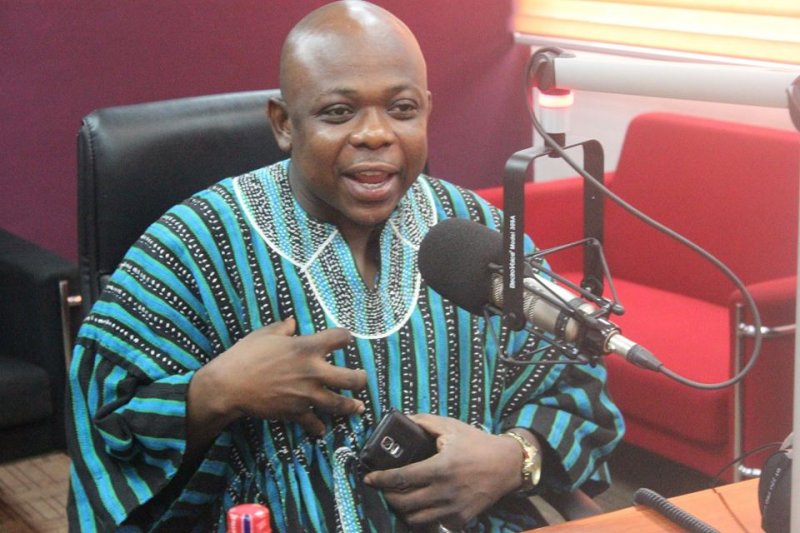
Majority Leader, James Agalga has described as unnecessary the Minority Caucus’s petition for Parliament to reconvene over recent cocaine seizures linked to Ghana.
This description, he said, is based on the fact that the government has already introduced decisive measures to curb the use of the country as a narcotics transit point.
Parliament is sitting today, Tuesday, 29 September 2026, after Speaker Alban Bagbin responded to a formal request from the Minority.
The caucus had invoked constitutional provisions seeking an emergency sitting to demand answers on a series of high-profile seizures, including nearly 3.9 tonnes of cocaine intercepted by French authorities at the Port of Dunkirk from a container that departed Ghana, as well as earlier domestic interceptions.
Agalga, who is also a Member of Parliament (MP) for Builsa North, maintained that the Mahama administration’s interventions had produced clear results and that a parallel parliamentary inquiry at this stage was premature.
“I don’t know what the minority seeks to achieve, but I have demonstrated in very clear terms through this statement how government has intervened in its quest to nip the drug menace in its bud,” he said.
“You will see the marked improvements in terms of arrests and even prosecutions, interventions such as the establishment of a dedicated court to prosecute narcotics-related cases.
“Now, if they want us to have a parliamentary probe at a time when the law enforcement agencies themselves are seriously investigating and arresting suspects, I seriously have my doubts as to the real intent of that particular request for recall, what it is meant to achieve.”
The Majority Leader pointed to a sharp rise in enforcement activity by the Narcotics Control Commission (NACOC) arguing that arrests increased from 73 nationwide in 2024 to 217 across 165 cases in 2025 — a 197 per cent jump — alongside significant seizures of narcotics and related assets.
He also highlighted institutional reforms, including the creation of a specialised court for narcotics cases, aimed at improving the rate of prosecutions and closing gaps between arrests and convictions.
Agalga stressed that security agencies were actively investigating the recent cases, with some suspects already arraigned and remanded.
Launching a concurrent parliamentary probe, he argued, risked producing conflicting findings and complicating ongoing criminal processes. Parliament could revisit the matter once the agencies completed their work, he added.
Source: Starrfm.com.gh