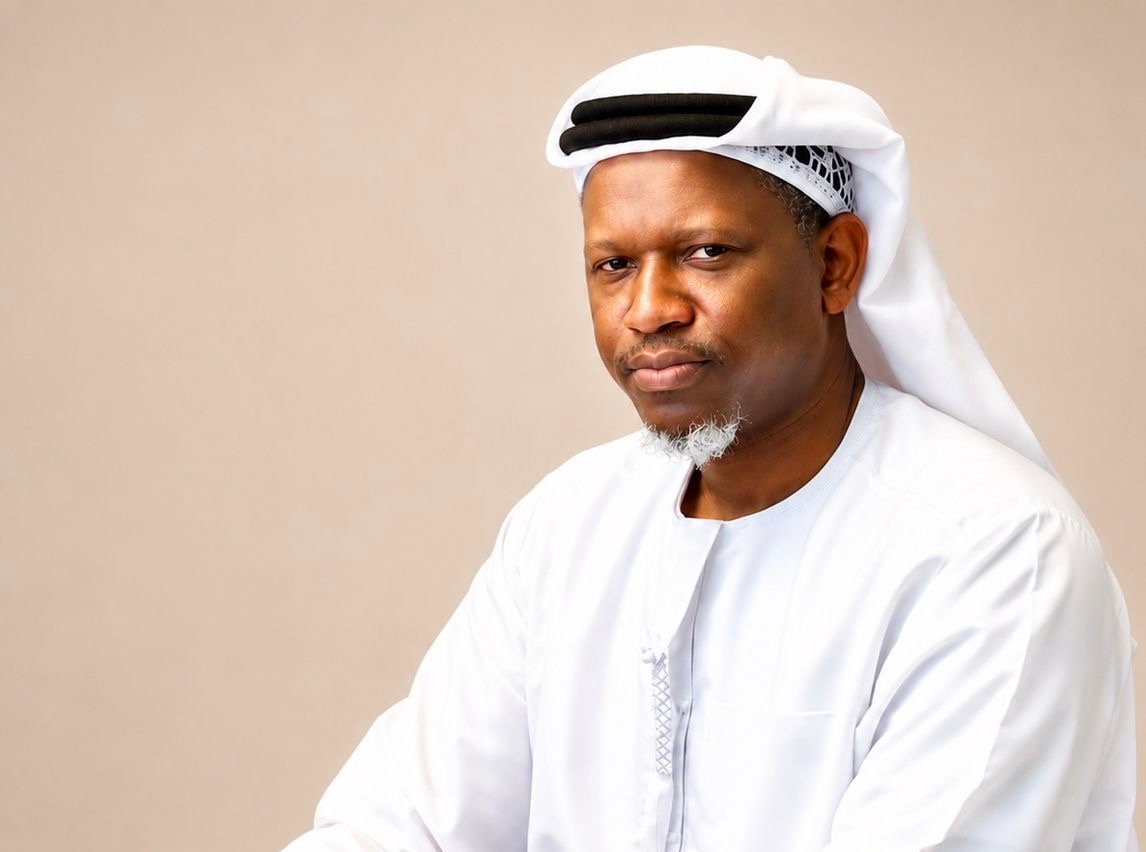
The leader of the Economic Freedom Fighters–The Gambia (EFF-Gambia), His Royal Highness (HRH) Prince Ebrahim Sanyang, has placed healthcare, social protection and dignity at the centre of his governance agenda, pledging direct support for vulnerable Gambians if elected.
While the movement has outlined a broad range of transformative policies, Prince Sanyang said protecting the health and dignity of every Gambian would be an immediate priority of an EFF-Gambia government.
Protecting the most vulnerable
Prince Sanyang said access to a safe and healthy life was fundamental to national development, arguing that no government could claim progress while citizens struggled to afford food, medicine and basic healthcare.
As part of his proposed social protection measures, an EFF-Gambia government would introduce a monthly Family Relief Package for low-income households to cushion families against rising living costs and food insecurity.
In addition, every senior citizen in The Gambia would receive D1,500 per month as a dignity grant.
Prince Sanyang said the proposed grant was intended to restore dignity and respect to older citizens who had contributed to the development of the country but were often left without adequate pensions or social support.
Bringing healthcare to the doorstep
On healthcare delivery, the EFF-Gambia leader announced plans to expand primary healthcare through a “1 Village, 1 Clinic” network, aimed at ensuring that no Gambian has to travel long distances to access basic medical services.
The proposed clinics would be supported by community ambulances to facilitate emergency response and referrals, particularly in rural communities.
Prince Sanyang said the initiative was intended to reduce preventable deaths, especially among mothers and children.
“This is about restoring dignity,” Prince Sanyang said.
“When we support families, honour our senior citizens, and bring a clinic to every village, we are telling every Gambian that their life matters and the state cares.”
He said the proposed health and social protection measures would complement his programmes on food security, job creation and affordable housing, forming what he described as a comprehensive safety net to protect citizens from poverty and indignity.