Africa’s trade within the continent hit an all-time high of $`220 billion in 2024, a 12.5 percent rise compared to the year before, as the African Continental Free Trade Area (AfCFTA) gathers pace even amid mounting global economic headwinds.
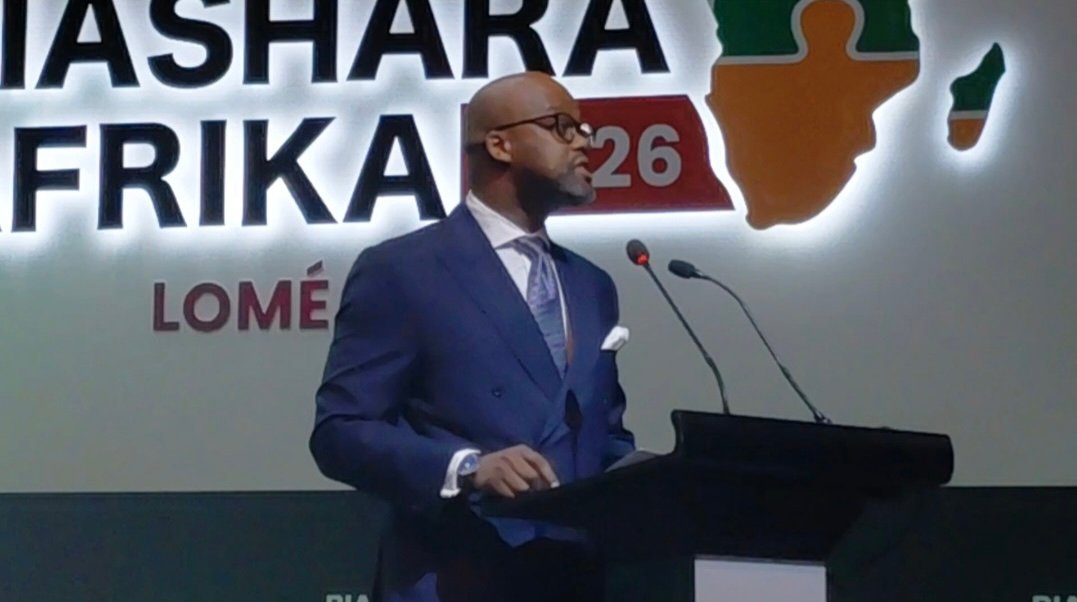
The Secretary-General of the AfCFTA Secretariat, Wamkele Mene, revealed the achievement on Monday while opening Biashara Afrika 2026 in Lomé. He said the development shows that Africa’s long-held plan for economic integration is now translating into tangible results.
Speaking to government representatives, corporate executives, and development partners, Mr Mene noted that the region is gradually shifting from planning to execution under the trade pact.
“What was once considered mainly a bold continental ambition is increasingly becoming a functioning reality,” he remarked.
He stated that 50 African nations have now ratified the AfCFTA treaty, which he called a sign of exceptional political will among African leaders to deepen economic unity.
He added that 26 member states are presently conducting trade under AfCFTA’s preferential terms, with companies progressively leveraging the expanded continental marketplace.
Mr Mene cited forecasts from the African Export-Import Bank suggesting that intra-African commerce could climb to `$230 billion by 2027.
He linked the upward trend to growing business confidence, widening regional trade linkages, and policy reforms designed to lower obstacles to cross-border exchange.
The AfCFTA chief observed that the rise in certificates of origin and advances in negotiations on rules of origin—especially for the automotive industry—were strengthening regional supply chains and supporting industrial growth.
He encouraged international car manufacturers to expand their investments in Africa’s production sector.
“There is now clear evidence that trade under the AfCFTA is underway,” he affirmed.
Mr Mene also pointed to progress in trade facilitation through mechanisms like the Pan-African Payment and Settlement System (PAPSS), which enables firms to settle transactions in local currencies and cuts down costs.
He explained that digital platforms such as the e-Tariff Book, online systems for reporting non-tariff barriers, and a forthcoming electronic certificate of origin would further streamline commerce across the region.
He commended Afreximbank for seeding the AfCFTA Adjustment Fund with $1 billion to back implementation, with particular focus on private enterprises.
Even with these advances, Mr Mene recognized ongoing obstacles, including inadequate infrastructure, elevated logistics expenses, border delays, constrained productive capacity, and insufficient trade finance.
He noted that many small and medium-sized enterprises still face difficulties accessing low-cost credit and navigating regulatory demands.
The AfCFTA Secretary-General emphasized that active involvement from the private sector is essential for the agreement’s success.
“Governments set the regulatory framework, but it is businesses that drive trade,” he said.
He mentioned that platforms such as Biashara Afrika, the Intra-African Trade Fair, and structured dialogues with the private sector aim to assist entrepreneurs, women-owned enterprises, and young innovators.
Mr Mene cautioned that rising protectionism worldwide, geopolitical friction, and a weakening multilateral trading system were placing additional strain on African economies.
He argued that such pressures should motivate African states to lessen reliance on foreign markets and speed up the drive toward greater economic independence.
“These external shocks underscore why the AfCFTA is even more critical as Africa pursues industrialization, resilience, and economic sovereignty,” he said.
The Biashara Afrika forum convened policymakers, investors, and business leaders from across Africa and internationally to examine opportunities under the continent’s main trade initiative.
Source: Starrfm.com.gh/Calvin Powell