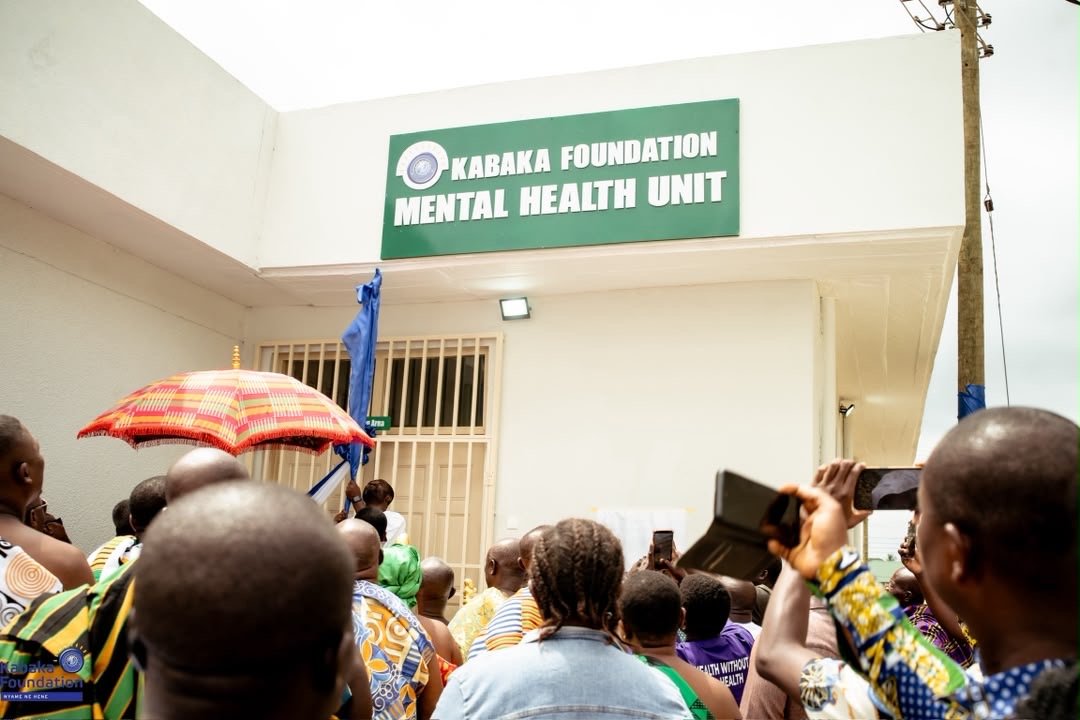
The Kabaka Foundation has commissioned a 35-bed expanded and refurbished mental health unit valued at GH¢1.3 million for the Eastern Regional Hospital amid a rising mental health cases in the region.
The facility, named the Nana Owiredu Wadie I Mental Health Unit, was funded by the Kabaka Foundation, a non-governmental organisation focused on supporting vulnerable children and adults, including people battling substance and drug abuse.
The facility is expected to provide dedicated care for people with mental health conditions and substance-use disorders in the Eastern Region.
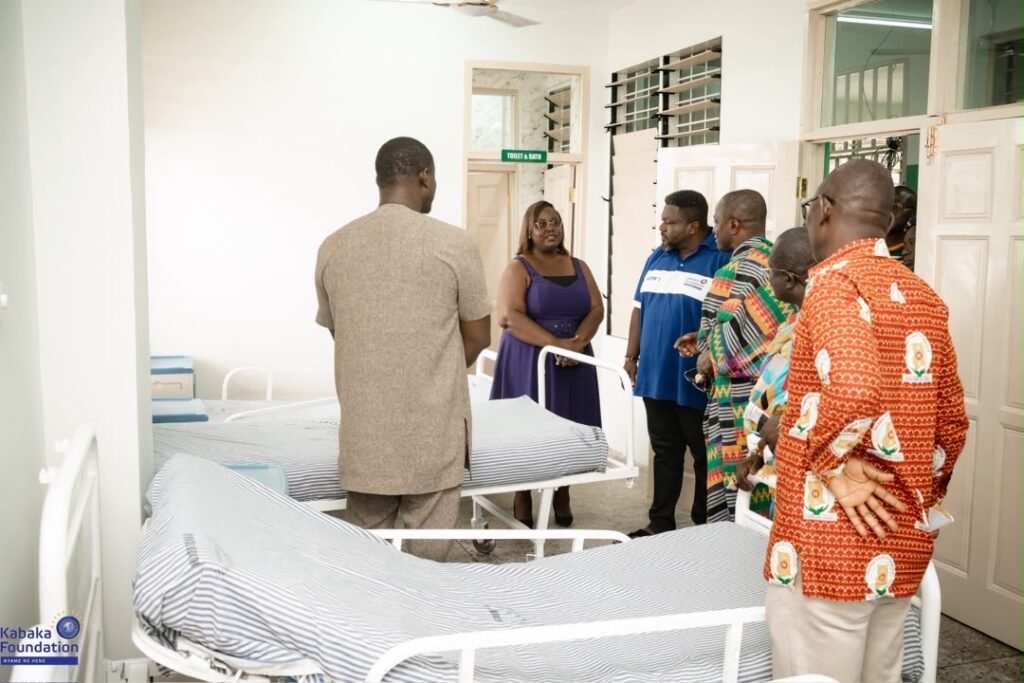
It comprises three wards, three consulting rooms, an injection room, pharmacy, recreational area for in-patients, kitchen, nurses’ changing and consulting rooms, an office for the head of the unit and washrooms, among other facilities.
Speaking at the handing-over ceremony on Friday, September 25 , Eastern Regional Director of the Ghana Health Service (GHS), Dr Damien Punguyire, said reported mental health cases in the region had increased significantly over the past decade.
He said 3,200 cases were recorded in 2016, rising to 5,738 in 2024 and 6,264 in 2025.
According to Dr Punguyire, the figures represent an increase of more than 100 per cent over the decade.
He further disclosed that new cases of depression and psychosis reported at health facilities in the region increased from 354 to 546 over the past two years.

Dr Punguyire, however, noted that the recorded figures could be lower than the actual number of people experiencing mental health challenges, as many continue to suffer in silence.
Dr Punguyire said inadequate infrastructure, particularly the shortage of admission beds, remained a major challenge in the provision of mental healthcare in the region.
He explained that patients who require admission are sometimes forced to wait for available beds or referred to facilities far from their communities.
He also identified the shortage of mental health professionals as another major concern.
According to him, the region has limited numbers of psychiatric nurses, clinical psychologists and psychiatrists, with only one psychiatrist serving all 33 districts and municipalities in the Eastern Region.
The Regional Health Director further raised concerns about inadequate logistics and medicines, noting that some medications required by mental health patients are not covered by the National Health Insurance Scheme (NHIS).
This, he said, places an additional financial burden on families of patients.
Stigma and Discrimination
Dr Punguyire also highlighted stigma and discrimination as major barriers to mental healthcare.
He said some families still send relatives with mental health conditions to places where they are chained, hidden away or abandoned.
He stressed that mental illness is a health condition and not a curse.
According to him, untreated mental illness can have serious consequences, including increased risk of suicide.
He added that the effects can also be indirect, as people living with mental health conditions may fail to seek treatment for physical illnesses such as hypertension, diabetes, HIV and tuberculosis.
Dr Punguyire expressed gratitude to the Kabaka Foundation and its founder, Nana Owiredu Wadie I, for supporting the construction and refurbishment of the facility.
Nana Owiredu Wadie I Remarks

At the handing-over ceremony, Founder and Chairman of Kabaka Foundation Nana Owiredu Wadie I said the project is in fulfilement of a commitment by the Kabaka Foundation to support mental healthcare delivery in the region.
He said every Ghanaian deserved access to quality healthcare, including mental healthcare, without stigma or discrimination.
The handing-over ceremony coincided with his birthday.
Nana Wadie said the facility would particularly support young people battling substance abuse as well as children and other vulnerable persons living with mental health conditions.
He expressed appreciation to the management and staff of the Eastern Regional Hospital for partnering with the Foundation to bring the project to fruition.
The Medical Director of the Eastern Regional Hospital, Dr Aiden Suntaa Saanwie, said the new facility would improve the working environment for health professionals providing mental healthcare.
He noted that mental health services had historically received inadequate funding, while people living with mental health conditions continued to face stigma and discrimination.
Dr Saanwie called for mental health conditions to be treated with the same seriousness as other medical conditions.
He commended Nana Owiredu Wadie I for identifying the need and supporting the hospital with the facility.
He also highlighted the Foundation’s previous support to the hospital, including the provision of a facility for a Neonatal Intensive Care Unit (NICU).
Dr Saanwie urged staff of the mental health unit to treat patients with dignity while maintaining quality healthcare standards.

Facility Established in 2012
The mental health unit of the Eastern Regional Hospital was established in 2012 in response to the growing need for inpatient psychiatric services in the Eastern Region.
Before its establishment, patients with severe mental health conditions requiring admission were often referred to Accra and other tertiary psychiatric facilities.
The unit therefore brought inpatient psychiatric care closer to residents of the region.
However, growing demand for mental health services subsequently put pressure on the available space.
The hospital explained that its outpatient mental health services had initially been provided in a facility that was later converted into a diabetes and hypertension clinic.
The services were subsequently moved to the main outpatient department, where increasing patient numbers and the growing number of doctors created space constraints.
The hospital said the arrangement also made it difficult to provide an appropriate and private environment for consultations, particularly when managing patients who were severely disturbed or aggressive.
The situation became more pressing following the arrival of a permanent psychiatrist, after the hospital had previously relied on temporary psychiatric doctors from Pantang.