


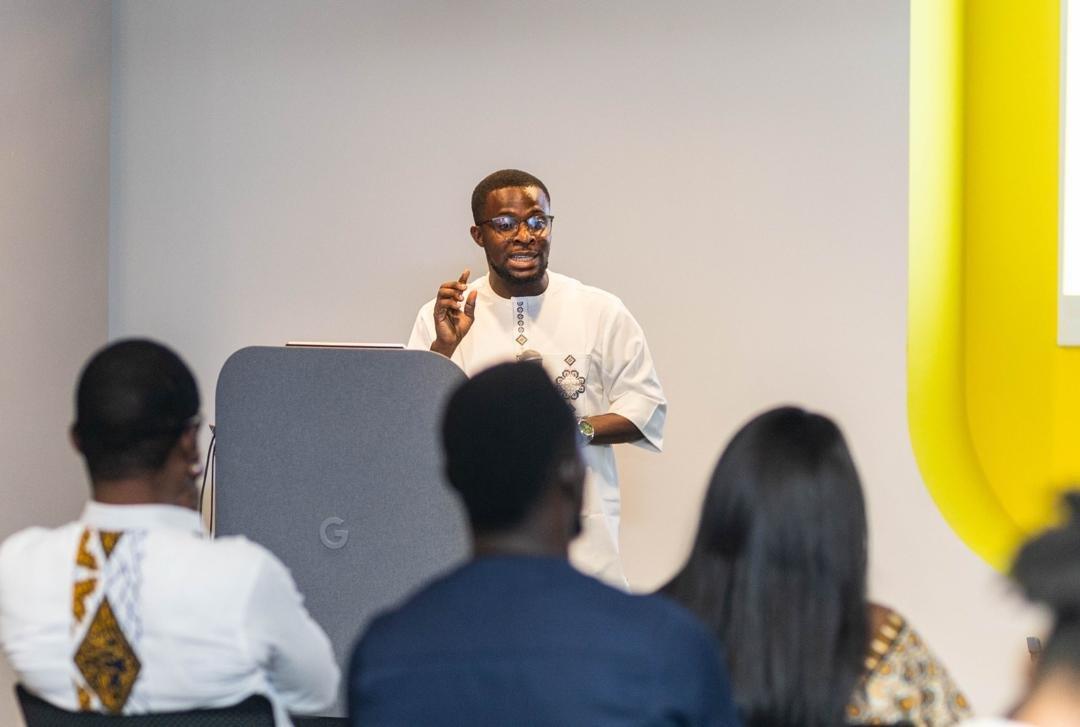
The Rethink Africa Intelligence Conference (RAIC) 2026 has been officially launched on the 13th of February at The Google AI Centre, with organisers outlining an ambitious vision to strengthen Africa’s intelligence ecosystem and digital sovereignty agenda for job creation and Prosperity.
The main conference, scheduled for April 10-11, 2026 at the University of Professional Studies, Accra (UPSA), will focus the theme “building Africa’s intelligence ecosystem for sovereignty and prosperity”.
Speaking at the launch, the Chief Executive Officer of Rethink Africa Intelligence, John Ofori, said the initiative was designed as more than a traditional conference.
“This is not simply an event; it is an ecosystem platform,” he said, adding that the aim is to coordinate those who design algorithms, own infrastructures, funds research and deploys AI solutions across the continent.
Artificial intelligence is increasingly viewed as a driver of economic competitiveness globally, reshaping sectors including agriculture, healthcare, finance, education and governance.
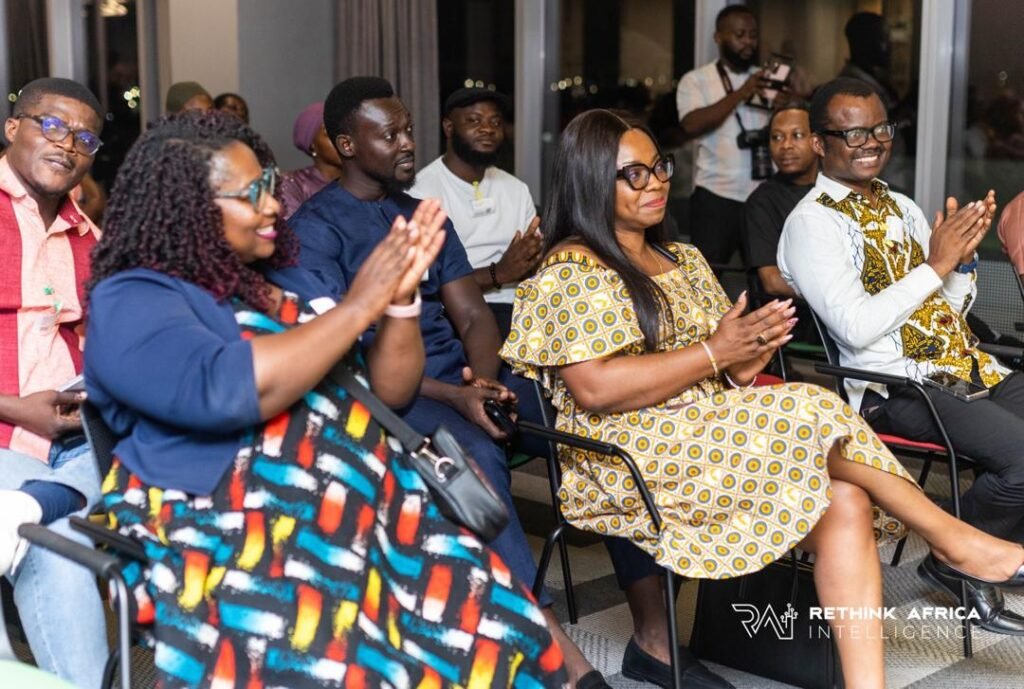
Addressing policymakers, industry leaders and academics at the event, board member Ing. Richard Densu said Ghana and Africa must take deliberate steps to avoid technological dependency.
“If we do not build our own AI ecosystems, we risk becoming permanent consumers of systems built elsewhere, exporting our data, importing intelligence and limiting our economic sovereignty,” he said.
He argued that countries are now competing not only on natural resources but on “intelligence capacity”, including talent development, data governance and innovation infrastructure.
According to the organisers, RAIC 2026 will bring together government agencies, universities, startups, corporations and investors in an effort to translate discussion into practical outcomes.
The conference will focus on four key areas: talent development, research and knowledge production, funding and capital alignment, and broader ecosystem building.
Planned initiatives include internships and AI fellowships, joint research laboratories, venture partnerships and policy dialogue aimed at strengthening what organisers call “sovereign AI capabilities”.
Mr Densu also outlined longer-term ambitions, including a proposed National AI Digital Literacy and Skills Programme to expand AI education from basic schools to universities, as well as plans for an AI Startup Fund to support innovation in sectors such as agriculture, healthcare, education and climate resilience.
The Conference is being organised in collaboration with partners Google, IoT Network Hub and the Ghana-India Kofi Annan Centre of Excellence in ICT.
“The future will be designed,” Mr Densu told attendees. “Let us design it here.”


