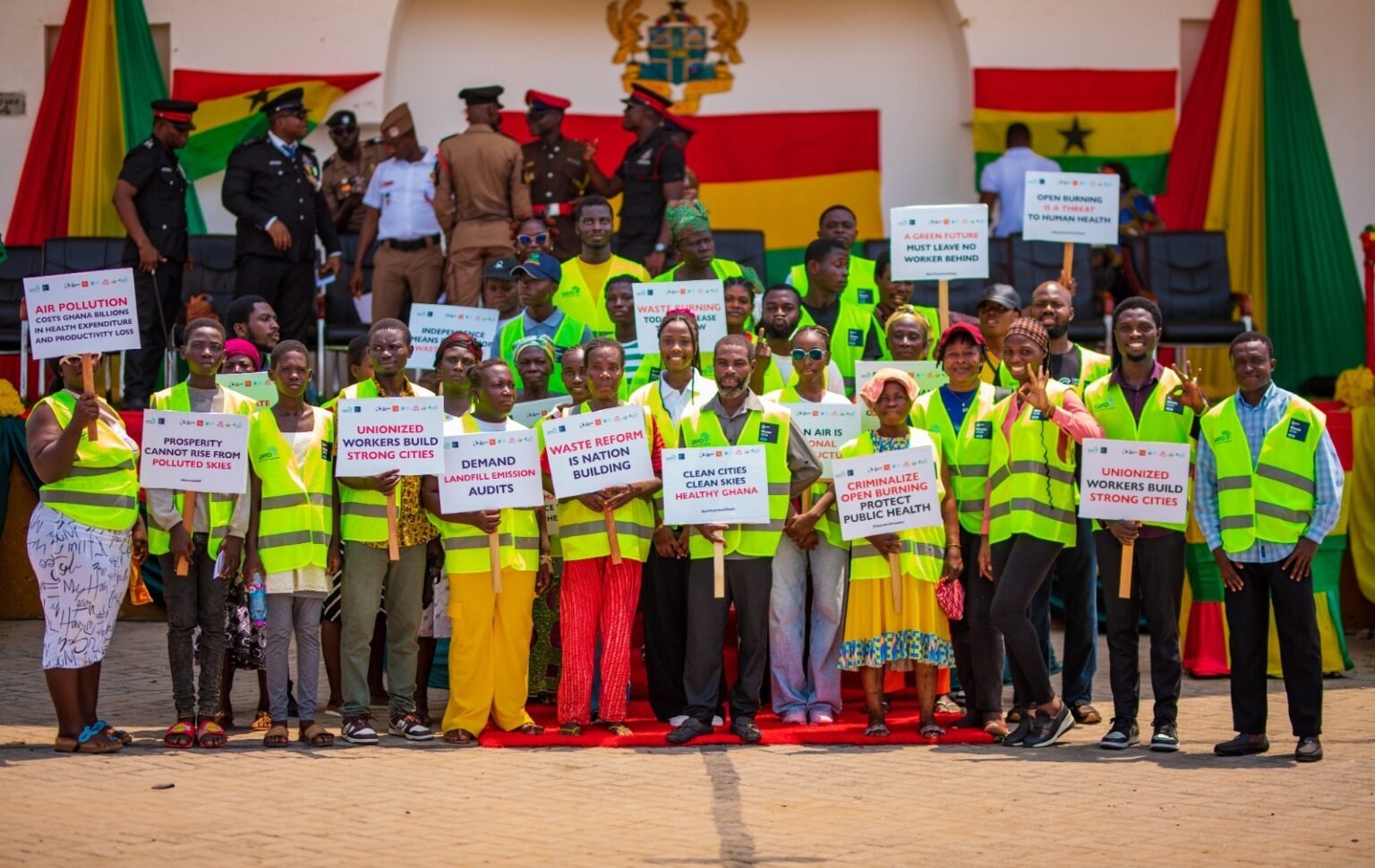
The Green Africa Youth Organization (GAYO) has welcomed the Environmental Protection Authority’s (EPA) planned nationwide ban on polystyrene foam products, popularly known as Styrofoam takeaway packs, describing the move as a major step toward tackling plastic pollution in Ghana.
The ban, which takes effect on January 1, 2027, was recently announced by the EPA as part of efforts to address environmental degradation caused by single-use plastics.
In a press release issued on May 28, 2026, GAYO commended President John Dramani Mahama and the EPA for what it described as “important leadership” in promoting environmental protection, public health, and sustainable development.
According to the organization, expanded polystyrene products have over the years contributed significantly to urban flooding, marine pollution, and littering across the country due to poor disposal practices.
GAYO noted that blocked drainage systems caused by plastic waste continue to worsen flooding in many communities, while the increasing cost of waste management is placing pressure on Metropolitan, Municipal and District Assemblies (MMDAs).
The organization said funds used to manage plastic waste could otherwise support development projects such as roads, healthcare, education, and drainage infrastructure.
While supporting the ban, GAYO stressed the need for a “just and comprehensive transition” to ensure that harmful single-use plastics are not replaced with equally damaging alternatives.
It further called for a transition process that is inclusive, science-based, and protective of livelihoods, especially for small businesses and informal sector workers who rely on takeaway packaging.
“The period leading up to January 2027 presents an important opportunity to intentionally build and scale sustainable alternatives,” the statement said.
GAYO is therefore advocating the adoption of reusable food containers, refill and return systems, and compostable materials as sustainable replacements for takeaway packs.
The organization also reiterated the need for these alternatives to be affordable, accessible, and supported through enabling government policies and local innovation.
GAYO reaffirmed its commitment to collaborating with government agencies, civil society organizations, the private sector, youth groups, and local communities to promote awareness creation, behavioural change, and the transition to a circular economy.
“The true impact of the ban will be measured by how well Ghana delivers a fair, practical, and well-managed transition away from single-use plastics,” the statement added.
GAYO is a youth-led non-governmental organization focused on climate and community resilience, disaster risk reduction, environmental sustainability, and circular economy solutions across Africa.
Source: Starrfm.com.gh