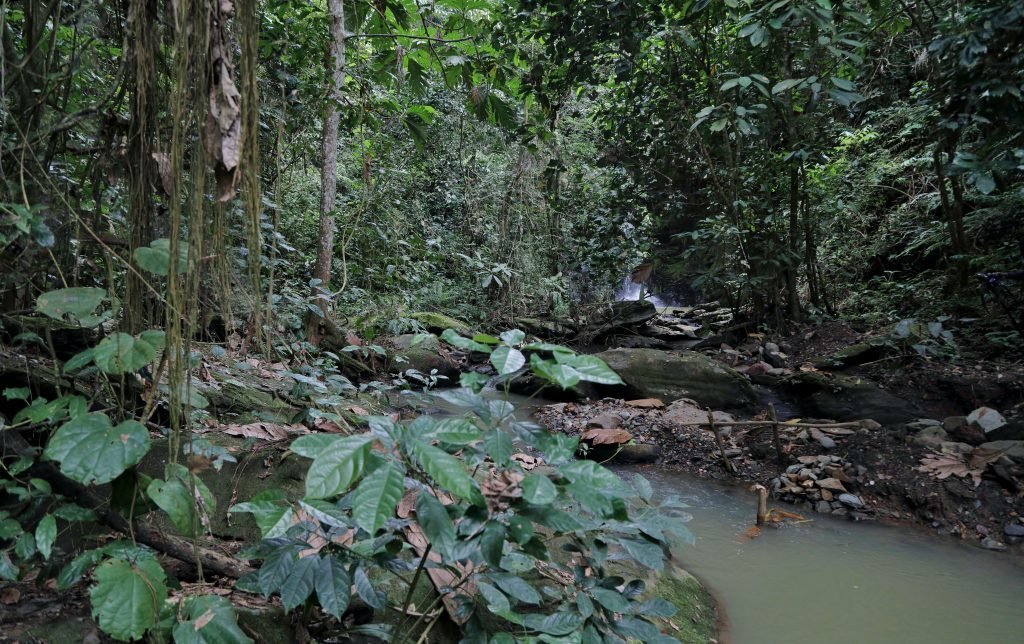
A new documentary by A Rocha Ghana has highlighted the impact of illegal mining and other destructive activities on the Atewa Forest and the river systems originating from the forest.
Titled Gold Rush: Inside the Headwater Atewa, the Source Facing a Slow Avoidable Death, the documentary was premiered on Sunday, September 27, 2026, to mark World Rivers Day.
This year’s World Rivers Day theme, “No Forests, No Rivers, No Water, No Life,” underscores the connection between healthy rivers and the forests, wetlands and other ecosystems that sustain them.
A Rocha Ghana said Atewa Forest, one of Ghana’s remaining upland evergreen forests, is the source of three major rivers – the Ayensu, Densu and Birim – which support communities, agriculture, livelihoods and water needs beyond the forest.
The documentary follows the three rivers from their headwaters and examines the impact of illegal mining and other activities on the waterways, including the effects downstream.
Through the experiences of communities and farmers, Gold Rush documents how pollution originating in the forest and its surrounding areas can travel downstream, affecting farms, communities and livelihoods.
According to A Rocha Ghana, the documentary highlights the wider implications of activities in Atewa, noting that people who may never visit the forest remain connected to its condition through the rivers that originate there.
The organisation said the situation reflects a broader national challenge, as rivers and their catchments across Ghana face pressure from illegal mining, deforestation, unsustainable land use and degradation of riparian areas and wetlands.
A Rocha Ghana is therefore calling for stronger protection of critical headwater forests, beginning with the designation of Atewa as a National Park.
It is also calling for stronger action against illegal mining in river catchments, effective enforcement of environmental laws and greater resourcing of institutions responsible for Ghana’s forests, water resources, mining and environmental protection.
The organisation further wants degraded riparian zones, wetlands, streams and catchments to be protected and restored as part of Ghana’s long-term water security strategy.
It is also advocating greater involvement of communities and traditional authorities in protecting forests and river catchments, alongside sustainable livelihood opportunities to reduce pressure on natural resources.
A Rocha Ghana said protecting Ghana’s rivers requires a coordinated national approach involving government agencies, traditional authorities, communities, civil society, businesses and citizens.
Watch the documentary: