Flooding Is Not Entirely Natural.
Every rainy season, flooding returns to Accra and many other towns and cities across Ghana. Homes are submerged, businesses suffer heavy losses, roads become impassable, public infrastructure is damaged, and, tragically, lives are sometimes lost. After every major flood, public attention quickly turns to government, climate change, drainage systems, or rainfall intensity. While these are undoubtedly important factors, they do not tell the whole story.
The uncomfortable truth is that many of our floods are preventable. Rain may be natural, but flooding on the scale we repeatedly experience is largely a human-made disaster. Every year, thousands of tonnes of plastic waste, silt, sand, household refuse, and construction debris enter drains, streams, lagoons, and rivers. As these drainage channels become blocked, stormwater has nowhere to flow, leading to widespread flooding.
The current flooding in Accra and several parts of Ghana could have been significantly reduced if waste had been properly disposed of, drains had remained free of refuse, and routine public cleansing and drain maintenance had continued at full scale. Flood prevention begins long before the first raindrop falls.
Waste Is Blocking Our Drains
Ghana generates approximately 12,000-13,000 tonnes of municipal solid waste every day, yet only a portion is properly collected, treated, recycled, or recovered. Accra alone produces about 2,800 tonnes of waste daily, with an estimated 600 tonnes left uncollected, much of which eventually finds its way into drains, streams, and waterways. The waste stream is predominantly organic (about 54-69%), while plastics account for approximately 10-16%, making them one of the most visible causes of blocked drainage systems. Furthermore, 80-90% of Ghana’s waste is disposed of at open or controlled dumpsites rather than being recycled.
During heavy rains, improperly disposed plastics, silt, and other debris accumulate at culverts, bridges, and drainage outlets, creating artificial barriers that force stormwater back into communities. As engineers often observe, drains rarely fail because they are too small; they fail because they are blocked.
The Role of Public Cleansing
For many years, the Youth Employment Agency (YEA) Public Cleansing Programme, implemented in partnership with Zoomlion Ghana Limited, played a vital role in reducing this risk. Tens of thousands of public cleansing operatives worked daily across Metropolitan, Municipal and District Assemblies (MMDAs), cleaning streets, sweeping public places, clearing drains, desilting gutters, collecting litter, and educating communities about proper sanitation practices. These activities formed one of Ghana’s largest preventive environmental sanitation interventions.
Following the non-renewal of Zoomlion’s YEA Public Cleansing Contract, these routine activities have been significantly reduced and, in some places, stopped altogether! Although the MMDAs continue to undertake sanitation interventions within their available resources, the absence of the tens of thousands of dedicated public cleansing operatives has inevitably created gaps in routine maintenance. Consequently, drains that previously received frequent attention now accumulate silt, weeds, plastics, and other debris much more rapidly, especially during the rainy season.
Why Preventive Maintenance Matters
The contribution of these public cleansing teams cannot be overstated. They regularly removed silt, plastics, sand, leaves, and other debris from drains and gutters, restoring drainage capacity and allowing stormwater to flow freely rather than overflowing into homes and businesses. This preventive maintenance significantly reduced blockages before they escalated into serious flooding hazards.
The teams also removed refuse from markets, roadsides, lorry stations, open spaces, and public areas before it could be washed into drains and waterways. Every piece of litter collected meant one fewer item that could block drainage systems during heavy rainfall. Before each major rainy season, Zoomlion/YEA public cleansing operatives desilted primary and secondary drainage channels, removing accumulated sediment that reduced water-carrying capacity. These desilting exercises helped drainage systems function more effectively during periods of heavy rainfall. Whenever flooding occurred, public cleansing teams were often among the first to respond. They undertook emergency clean-up operations, removing debris left by floodwaters, clearing blocked drains, restoring road access, and supporting communities in returning to normal life as quickly as possible.
Beyond physical cleaning, these operatives also served as environmental educators for their peers in their respective communities. Through community engagement, public education campaigns, market education, school campaigns, and household interactions, Zoomlion also encouraged proper waste disposal, discouraged dumping into drains, promoted environmental responsibility, and reinforced good sanitation practices. Behavioural change remains one of the most effective long-term solutions to urban flooding.
Flood Prevention Is a Shared Responsibility
Government intervention alone can never eliminate flooding. Environmental sanitation is a shared responsibility requiring active participation from every stakeholder. The Assemblies (MMDAs) bear primary responsibility for planning, regulating, and managing environmental sanitation within their jurisdictions. Beyond ensuring regular waste collection, maintaining drains, and educating the public, they must rigorously enforce sanitation laws by arresting and prosecuting offenders who litter, dump waste indiscriminately, or obstruct drains.
Without consistent law enforcement, lasting behavioural change is unlikely. Countries such as Rwanda and Singapore, which are often cited as among the world’s cleanest, achieved this status through strict enforcement of sanitation laws, sustained public education, and meaningful penalties for offenders. Ghana must adopt a similarly firm, consistent, and non-partisan approach to sanitation law enforcement if we are to reduce flooding, protect public health, and build cleaner, more resilient communities.
The National Sanitation Day (NSD), relaunched on 6th September 2025 at the Institute of Local Government Studies, Madina, by H.E. President John Dramani Mahama, provides Ghana with an important platform for restoring community ownership of environmental sanitation. However, its success depends on effective local implementation. MMDCEs, as political and administrative heads of the Assemblies, have the statutory responsibility to ensure the NSD is properly organised and sustained within their jurisdictions. They must mobilise communities, enforce sanitation laws and by-laws, coordinate clean-up exercises, desilt drains, remove refuse from public spaces, and monitor compliance.
When supported by consistent public education, law enforcement, and active citizen participation, the NSD can significantly reduce indiscriminate waste disposal, minimise flooding, improve public health, and foster a lasting culture of cleanliness across the country.
The private sector, including sanitation service providers, recycling companies, engineering firms, and environmental consultants, provides essential operational capacity. Their investment in waste collection, recycling, drain maintenance, public education, and environmental innovation complements government efforts and strengthens national sanitation systems.
Non-Governmental Organisations (NGOs), Community-Based Organisations (CBOs), Faith-Based Organisations (FBOs), youth groups, and civil society organisations also play indispensable roles. They mobilise volunteers for clean-up exercises, run environmental education campaigns, advocate for improved sanitation policies, support recycling initiatives, organise community awareness programmes, and encourage behavioural change at the grassroots level.
Individual residents carry perhaps the greatest responsibility. Every citizen must dispose of waste properly, avoid dumping refuse into drains, separate recyclable waste where possible, maintain clean surroundings, participate in community clean-up exercises, report blocked drains, discourage littering, and teach children responsible environmental behaviour. All households should own and use appropriate waste bins for waste storage. Flood prevention begins with individual choices made every single day.
Climate Change Is Making Matters Worse
Climate change is increasing the frequency and intensity of extreme rainfall events across many regions. Rapid urbanisation has also resulted in more paved surfaces, fewer natural areas for water absorption, and increased pressure on existing drainage infrastructure. These realities demand even greater investment in preventive sanitation, not less.
The economics are straightforward. Preventive sanitation costs far less than disaster recovery. Every cedi invested in routine drain maintenance, waste collection, desilting, and public cleansing saves many more cedis that would otherwise be spent repairing roads, replacing damaged infrastructure, compensating victims, restoring businesses, responding to emergencies, treating disease outbreaks, and rebuilding flood-damaged communities. Flood prevention should not be viewed simply as a sanitation issue but as an investment in public health, economic growth, environmental protection, infrastructure preservation, and national resilience.
A National Call to Action
The solution is shared. Government has responsibilities. MMDAs have responsibilities. Private sanitation providers have responsibilities. NGOs have responsibilities. Communities have responsibilities. Above all, every Ghanaian has a responsibility.
If we dispose of waste responsibly, support routine public cleansing, invest in preventive maintenance, protect our drains, and work together throughout the year, not only after disasters, we can significantly reduce the devastating floods that have become almost predictable during every rainy season. Floods may begin with rain, but disasters begin when we neglect sanitation. Na Who Cause Am?
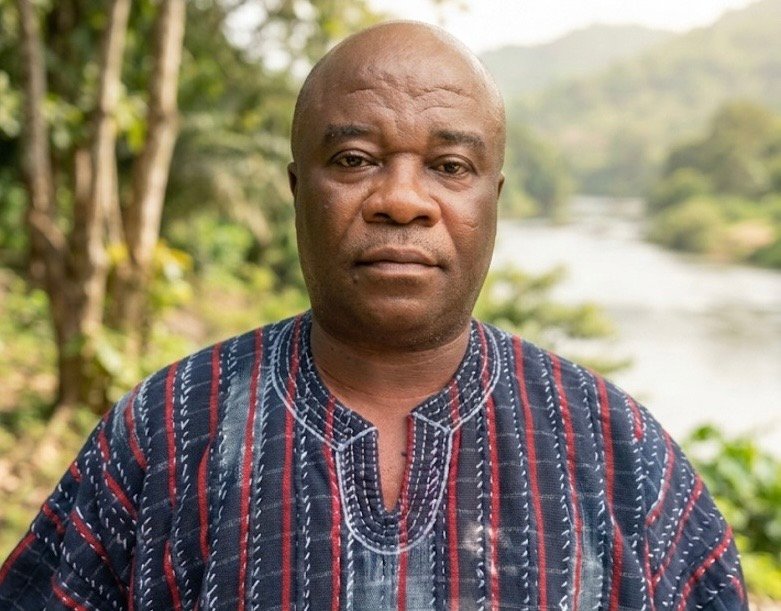
The writer, Dr Robert Kwaku Adjei, is the Writers Bureau Manager for Zoomlion Ghana Limited and the Supervising Editor of EcoWatch Newspaper.
Email: adjeirobert@yahoo.com