Clement Amankwah, the Western Regional Malaria Focal Person has revealed that malaria, continues to top Out Patients Department (OPD) attendance cases in the region despite several interventions.
He revealed that there was a 12.4% increase in malaria cases across the region – from 470,062 cases in 2023 to 528,937 in 2024.
The disease he said continues to top OPD morbidity charts, and there is the need for a paradigm shift if institutions are aiming to eliminate malaria.
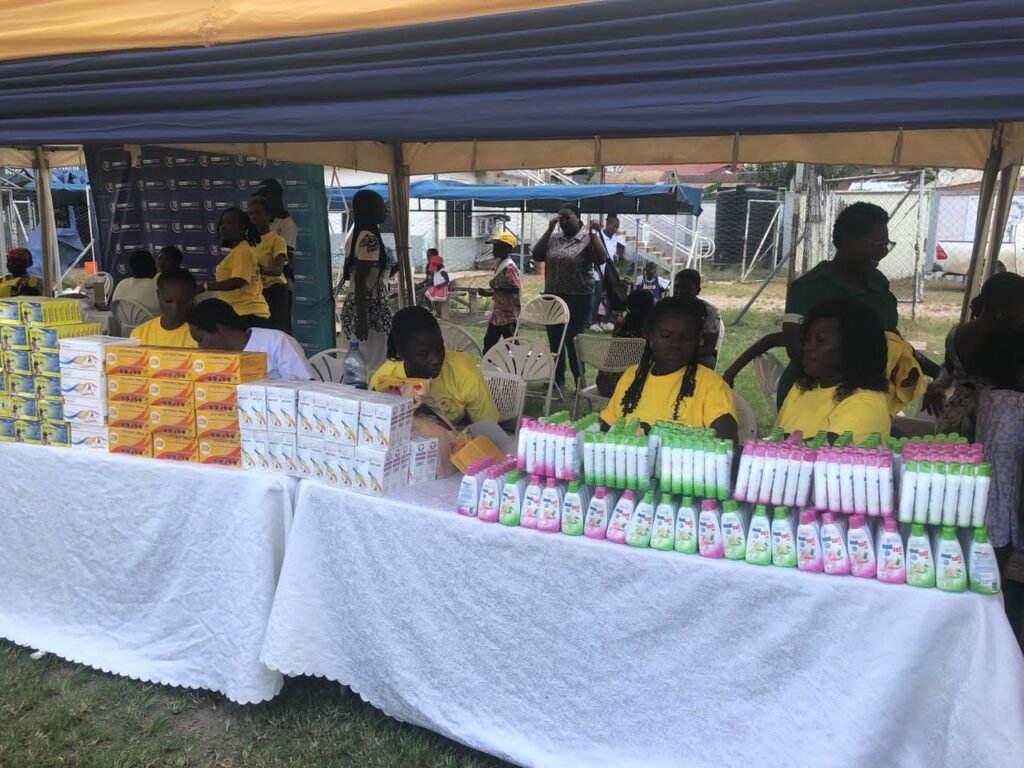
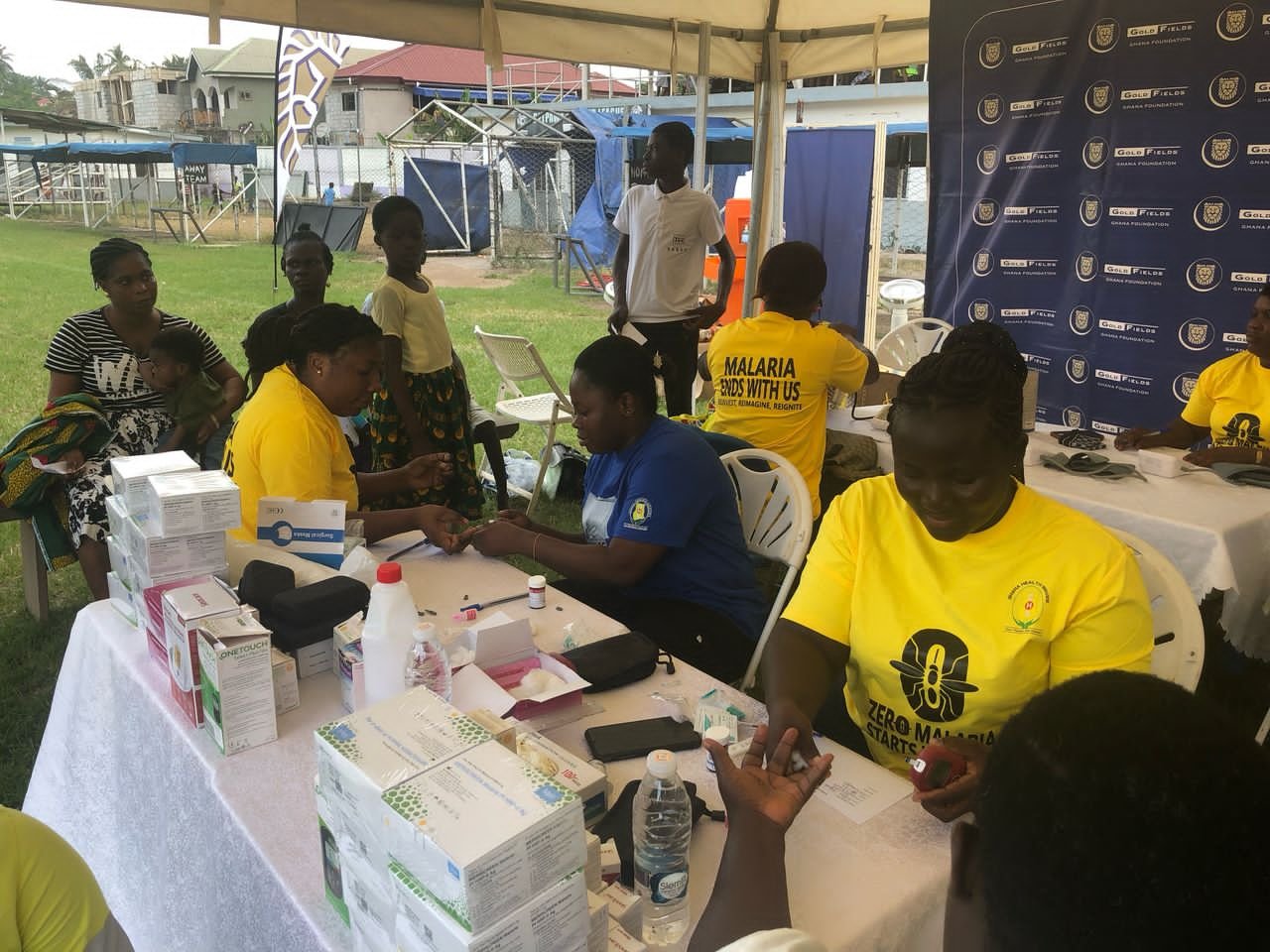
Mr. Amankwah was speaking at the World Malaria Day organized by Gold Fields Ghana Foundation in partnership with the Tarkwa Nsuaem Municipal Health Directorate at Tarkwa in the Western Region under the theme “Malaria Ends With Us: Reinvest, Reimagine, Reignite”. The day was filled with activities such as clean up exercise, malaria awareness and screening as well as the distribution of mosquitoe repellents among others.
Madam Wilhemina Duah, the Tarkwa Nsuaem Municipal Director of Health noted that “despite years of interventions malaria, remains endemic and perennial in Ghana posing a high risk to children under five as well as pregnant women;
“ it is unacceptable that this preventable and treatable disease still kills a child every minute globally” , she intimated.
She said malaria prevalence in Tarkwa Nsuaem is rising among the general population – from 19.2% in 2022 to 27.9% in 2024.
Locally, Tarkwa Nsuaem saw 65,167 malaria cases out of 510,439 OPD attendances in 2024, representing 12.7% of all OPD visits. Although malaria among pregnant women dropped to 0.1% prevalence, the positivity rate among those tested increased sharply to 38.5%, raising concerns over early detection and prevention effectiveness.
She cited Dompim, Simpa, Benso Sub-Municipal, and Nsuaem as hotspot areas within the municipality, with Tarkwa town showing a relatively lower prevalence due to its urban environment and improved sanitation.
She therefore urged members of the community to maintain the requisite environmental hygiene by draining stagnant water and eliminating mosquito breeding sites such as used cans,car tyres, and open containers.
Madam Duah expressed worry over the inappropriate use of the insecticide treated nets ;
“ despite all the continuous awareness creation, challenges still persist as people are still misusing the ITNs and also not adhering to the malaria treatment protocols” ; she stressed.
She posited that the activities of illegal miners are also a contributory factor to the surging malaria statistics;
“Mining activities, particularly illegal ones, have significantly contributed to increased mosquito breeding sites. This threatens the progress we’ve made,” Madam Duah added.
Sandra Deladem Woanyah, Project Manager for Gold Fields Ghana Foundation, reiterated the foundation’s commitment to health as a core focus area .To mark World Malaria Day, the foundation organized a community cleanup in Akoon and Borborbo, followed by free health screenings ;
“Over the past 20 years, we have invested heavily in health infrastructure, outreach, and public education.We believe that healthy communities are empowered communities. Malaria is preventable, and with joint effort, we can end it,” she concluded.
By: Kwame Malcolm/Empire FM/Takoradi