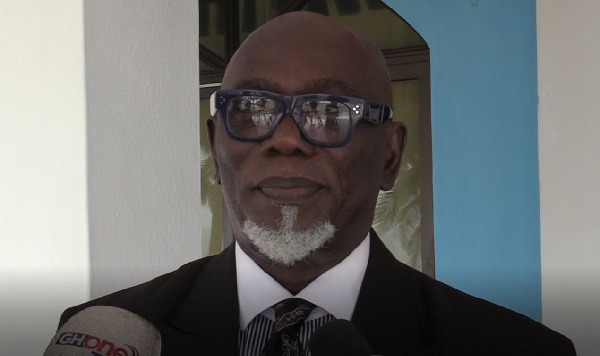
An International Relations analyst, Dr. Ishmael Norman, has advised Ghanaians intending to travel to South Africa for leisure to reconsider their plans, citing the volatile nature of recent xenophobic hostility against African foreigners in that country.
Speaking on the Star Midday News, Dr. Norman suggested that alternative, safer destinations should be prioritized until the current tensions subside.
“It’s advisable not to go there (South Africa) since they have demonstrated a hostility towards African foreigners…it’s more advisable as [of] now, because of the heightened nature of the xenophobic issues there, to not go there now until the issue dies down,” Dr. Norman stated.
he Ministry of Foreign Affairs has disclosed that the Government of Ghana has prepared various forms of welcoming packages for Ghanaian nationals who have agreed to be repatriated into the country from South Africa.
Foreign Affairs Minister, Samuel Okudzeto Ablakwa has announced an intervention package ahead of the arrival of the first batch expected in Ghana tomorrow; all evacuated Ghanaians would benefit from welcome home financial package, as well as transportation assistance to enable them travel to their various destinations across the country.
The package also includes a reintegration allowance, free psychosocial support, and placement in a special government database for job and startup opportunities.
Evaluating the Ghanaian government’s response and its initiative to evacuate citizens caught up in the South African unrest, Dr. Norman gave the state a “fair score,” praising the continuous monitoring of the situation.
“I think that we must give some credit to the government for monitoring the situation and always taking decisions when they deem it necessary in favor of Ghanaians. Largely, we can give them a fair score and say that they have done relatively well. Of course, the situation is not totally over…,” he said.
However, he emphasized that the ultimate success of the operation would hinge on the long-term sustainability of the integration packages waiting for the returnees.
“That will also depend on how the people they are bringing home, how the relief package, the reintegration packages, how it is implemented to ensure that their lives get better as they return home,” he said.
Responding to critics who question why the government is rolling out special intervention and relief packages for this specific group of returnees while ordinary Ghanaians at home face similar economic hardships, Dr. Norman defended the state’s targeted approach.
He explained that the severe trauma and sudden loss of livelihood experienced by these individuals justify a distinct policy response. Furthermore, he noted that such actions are critical to fostering a true sense of national identity and trust between citizens and the state.
“You must understand that these are peculiar people who have gone out there trying to make life for themselves, unfortunately, they have come under a certain level of violent attack,” Dr. Norman explained. “This is one way you can build a sense of nationality in your population—that if Ghanaians come under attack anywhere, the State of Ghana must be responsible.”
He added: “You must recognize these are people whose livelihood have been taken away from them in a day or week because some people believe that their presence where they pose a threat to their own economic livelihood. So yes, government will have to take peculiar actions based on the peculiar situation, that does not neglect the general population.”
While supporting the emergency evacuation and reintegration efforts, Dr. Norman stressed that the government must look at the bigger picture by fixing the domestic economy.
According to him, robust economic policies are the only permanent solution to preventing desperate migrations.
“If government is actually bent on addressing these issues once and for all, then they must adopt economic policies that improve the lot of every Ghanaian, so that no Ghanaian child will be interested in traveling to a place that poses danger to his life,” Dr. Norman concluded.
Source: Starrfm.com.gh