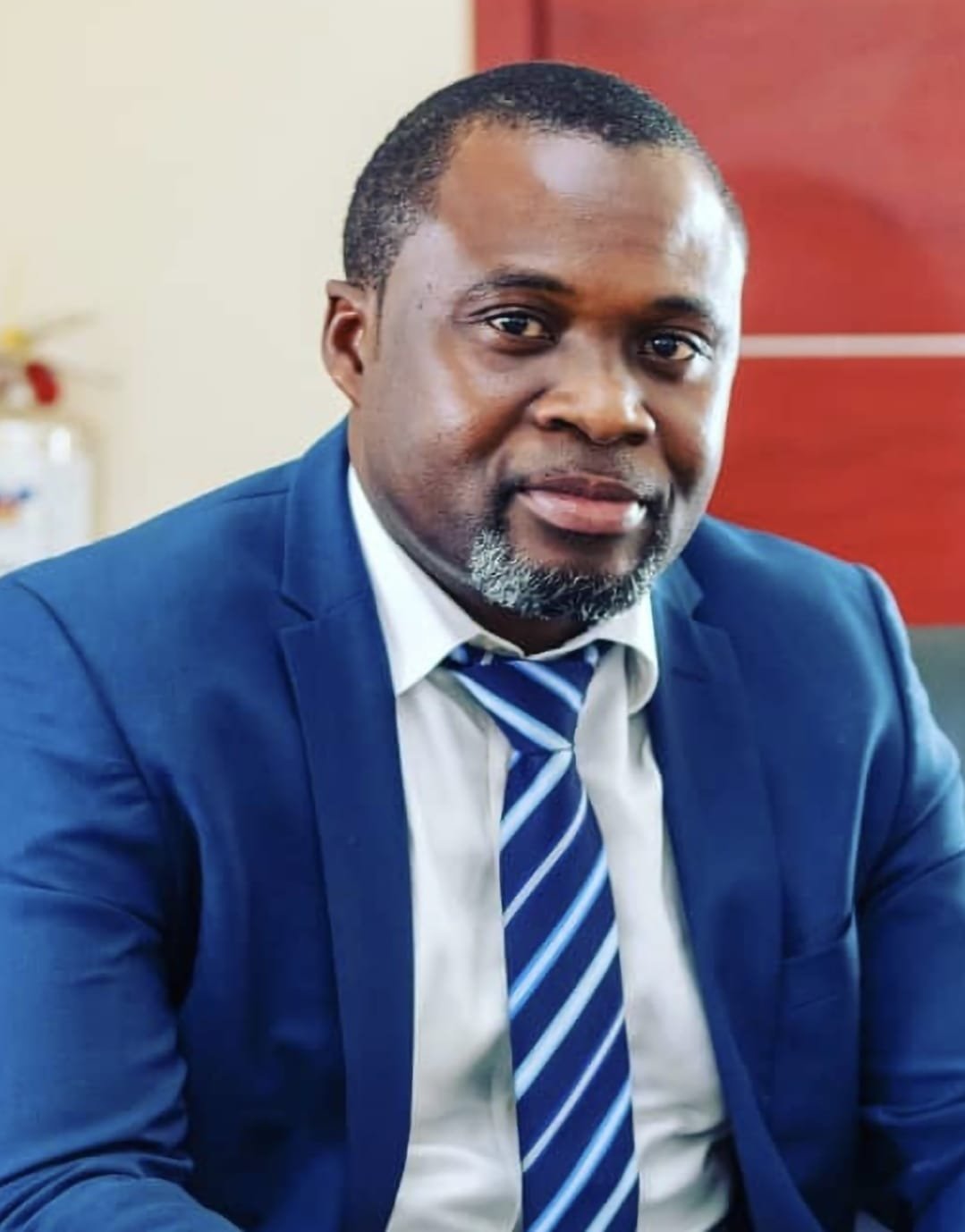
Financial Security Expert, Dr Philip Takyi, has clarified that Ghana still owes the International Monetary Fund (IMF) despite successfully completing its bailout programme. He stressed to GHOne Business, that the end of the programme does not mean the country’s debt obligations with the Fund have been erased.
According to Dr. Takyi, there appears to be growing public misunderstanding over Ghana’s relationship with the IMF following recent discussions suggesting the country has “exited” or “completed” the programme.
Ghana entered the IMF-supported bailout programme in 2023 at a time of severe economic pressure marked by rising inflation, mounting debt, currency instability, and challenges in meeting financial obligations.
Under the agreement, the International Monetary Fund committed approximately US$3 billion in financial support to Ghana in phases, tied to reforms including fiscal discipline, debt restructuring, improved revenue mobilization, and broader macroeconomic stabilization measures.
Dr. Takyi emphasized that completing the IMF programme simply means Ghana has gone through the agreed reform period successfully and no longer requires active emergency supervision or fresh bailout disbursements under that arrangement.
“It does not mean the debt has disappeared,”he explained.
He likened the situation to completing a hospital treatment plan, noting that while a patient may be discharged after stabilization, outstanding medical bills may still need to be settled over time.
“Many countries complete IMF programmes but continue repaying the IMF for years afterward,” he noted.
The clarification comes amid renewed public discussions on Ghana’s economic recovery, debt sustainability, and the country’s future engagement with international financial institutions following improvements in key macroeconomic indicators.