Across Ghana, too many young people have learned to say “I’m fine” when what they really mean is “I’m tired, but I don’t know how to explain it.” The silence we so often mistake for strength is frequently just survival. And because the young person still shows up to class, still laughs with friends, still posts online, we assume the quiet is peace. Often, it is not.
At Snuggli Health, we built our work around a simple conviction: that a country should not wait until its young people break before it begins to care. Snuggli is a Ghanaian digital mental health platform designed for African youth — a private space to check in, reflect, journal, track your mood, and understand yourself before things get heavier. In June, we launched a campaign called Check-In Ghana to put that conviction to the test. We wanted to know whether the distress we believed was there would actually surface if young people were simply given a safe, honest place to name it.
The response answered the question for us.
In the weeks since launch, about 170 young people have joined Snuggli’s early access and begun doing the one thing the campaign asked: checking in, honestly, with themselves. Journaling. Tracking their moods. Naming what they were carrying instead of swallowing it.
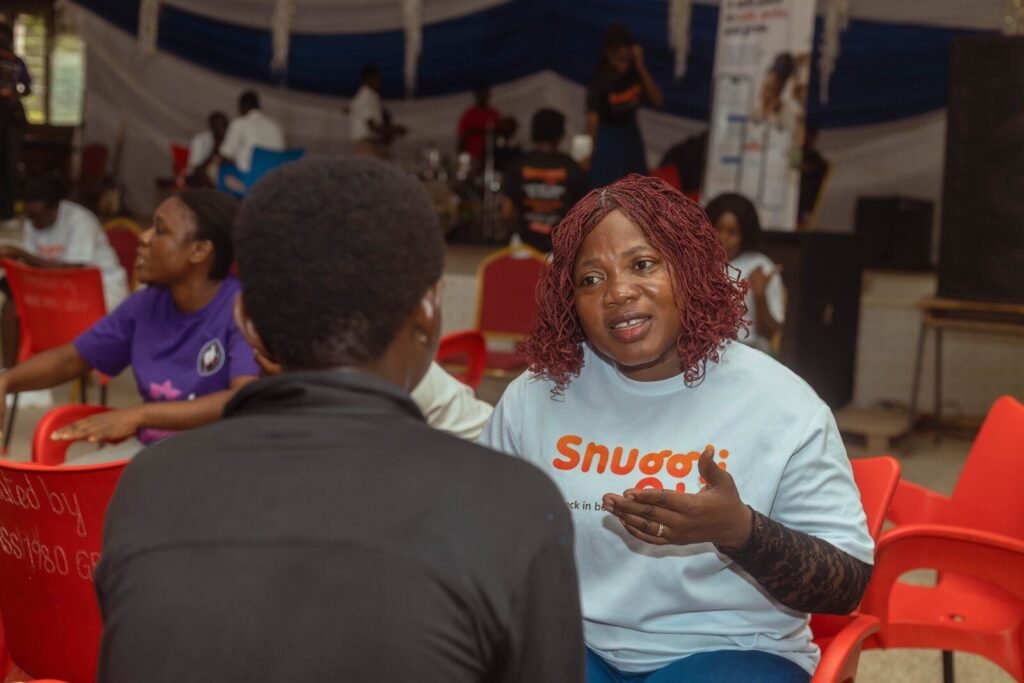
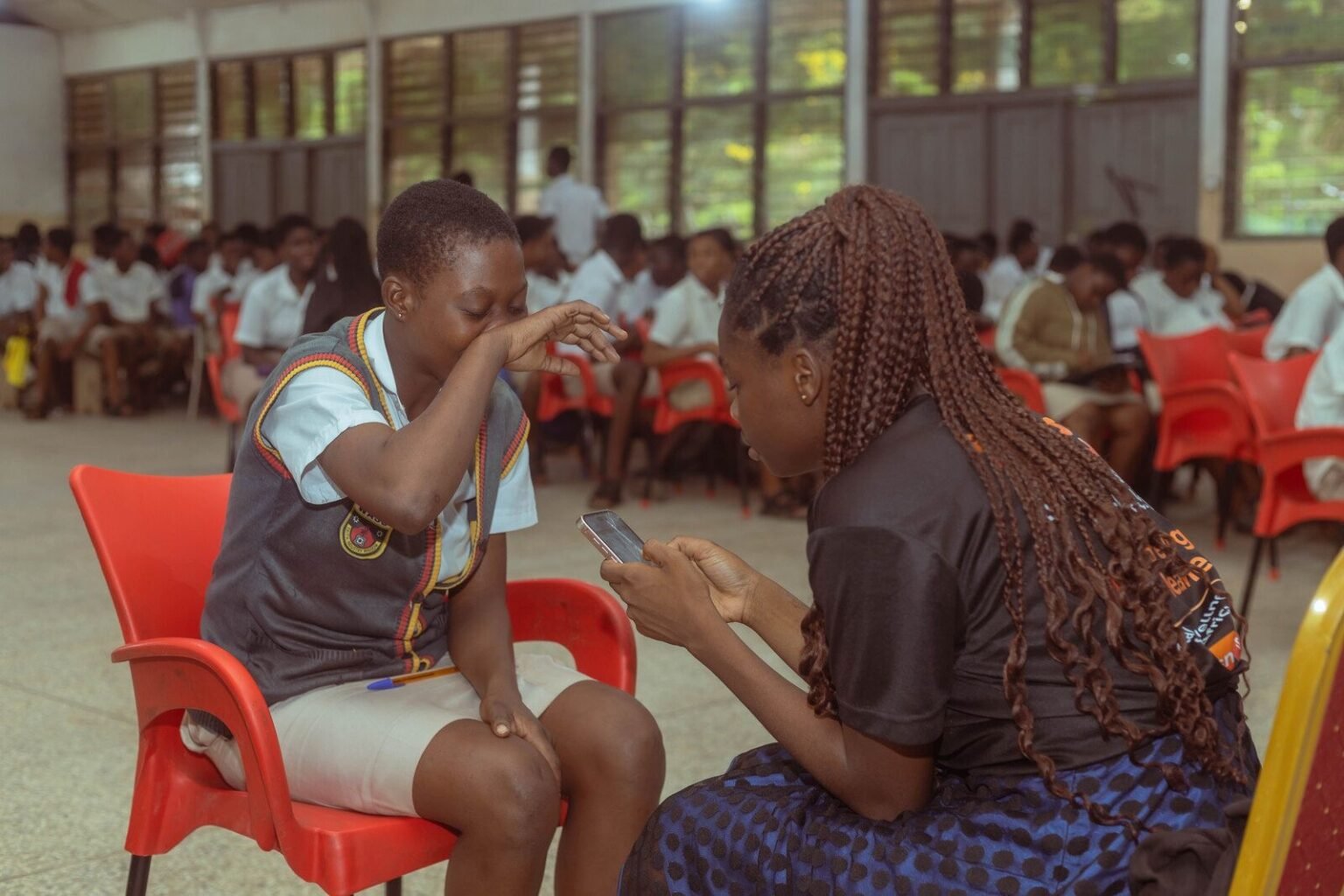
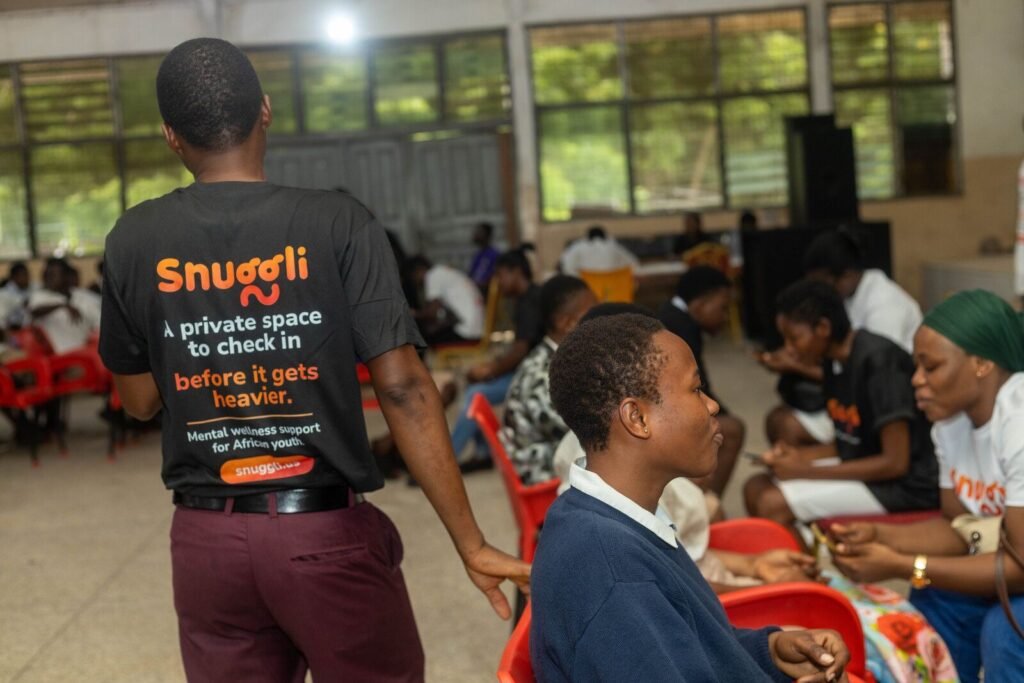
Then we went further. We took Sentra, our screening tool, into school communities in the Greater Accra and Oti regions, and we sat down with young people face to face. Not to lecture them. Simply to ask, properly, how they were doing.
Two hundred and nine young people answered. What they told us should stop the country in its tracks.
More than half described persistent sadness. A similar number carried constant worry. Almost half were not sleeping well. More than one in four raised something connected to self-harm. Two in five had lived through something they named as trauma. And by the time the screenings were done, 70 of them — a full third of everyone we met — needed to be referred onward for further care.
A third. Of young people who simply showed up to be asked.
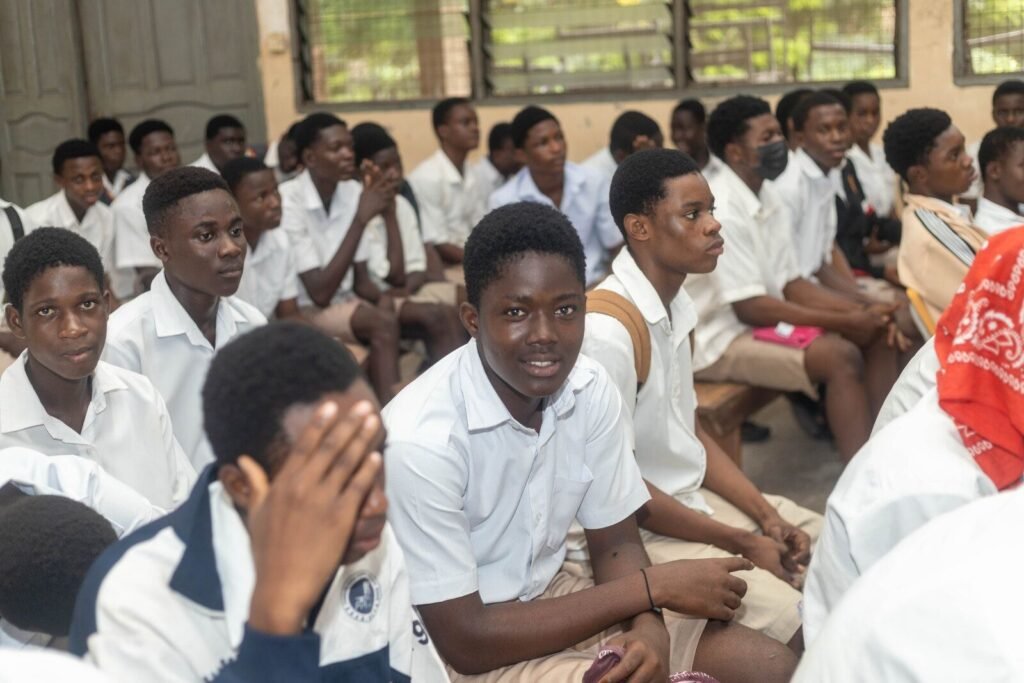
We want to be honest about what these numbers are and are not, because honesty is the whole point of this work. The young people we screened were not a perfect cross-section of Ghana. They are the ones who came, or who were brought, to two outreaches. That means these findings are not a national statistic, and we will not dress them up as one. But that is exactly what makes them so heavy. These were not young people in a hospital ward. They were students, sitting in their own school communities, going to class, posting online, laughing with friends. From the outside, fine.
One in three of them was not fine.
This is the gap we set out to find, and now we have looked straight at it. The distress is not hiding because it is rare. It is hiding because, until someone sits down and asks the right way — in a language young people recognise, in a space that does not judge them — nobody hears it.
That is the part that is hardest to sit with. The need was not created by the outreach. It was already there, fully formed, waiting. The young person who finally described their sleepless nights had been having them long before anyone arrived. The one who named a thought of self-harm had been carrying it alone. We did not generate the pain. We just became the first people to listen for it.
And inside all of this, there is something that gives us hope. When young people are given a real place to be honest, they take it. The roughly 170 people now checking in on Snuggli are not being forced. The 209 who spoke to us were not coerced into disclosure. They opened up because, for once, there was a space built for the truth rather than the polished “I’m okay.” The silence was never the problem. The absence of anyone listening was.
There is a pattern in the screenings we cannot ignore either. Much of the distress came out in our own idioms — “my head is full,” “I’m not myself,” and what families often label simply as “strange behaviour.” This matters enormously. A screening tool built somewhere else, listening only for textbook symptoms, would have missed much of what we caught. Young Ghanaians describe their pain in Ghanaian terms. If our tools cannot hear that, they cannot help. It is why we built Sentra, and Snuggli, for this context rather than borrowing wholesale from elsewhere.
So where does this leave us?
It leaves us more certain than ever that the country is right to move earlier. Earlier than crisis. Earlier than breakdown. Earlier than the day we gather to mourn someone and post about checking on people, before the noise fades and the system carries on exactly as before.
But it also leaves a sober warning. If a third of the young people we screen need onward care, then asking is only the first half of the work. Detection without somewhere to refer people is a promise the country cannot keep. We cannot scale the asking without scaling the care that has to follow. Snuggli was never built to replace therapists, psychiatrists, counsellors, families or faith leaders. It was built to fill the gap before young people ever reach them, and to point them toward help when they need it. That role only works if the rest of the system is ready to receive the people we find.
This is our report to the country. We believed young people were carrying more than they let on. We asked. And they proved it themselves, simply by telling the truth when someone finally listened.
So we will keep asking. And we are asking you, too.
Check in with yourself, honestly, today. Check on the strong one — the high achiever, the firstborn carrying everyone’s expectations, the friend who is always “fine.” Listen past the polished answer. And if you are a school, a university, a clinician, or someone who works with young people, know that the need is bigger and closer than it looks, and that there are now tools and people working to meet it earlier.
To every young person reading this and quietly recognisingyourself: you were never too much, and your pain was never too small to matter. You do not have to wait until everything falls apart before you take yourself seriously.
We asked 209 young people how they were really doing. The bravest thing they did was tell us the truth. Now it is on the rest of us to keep listening.
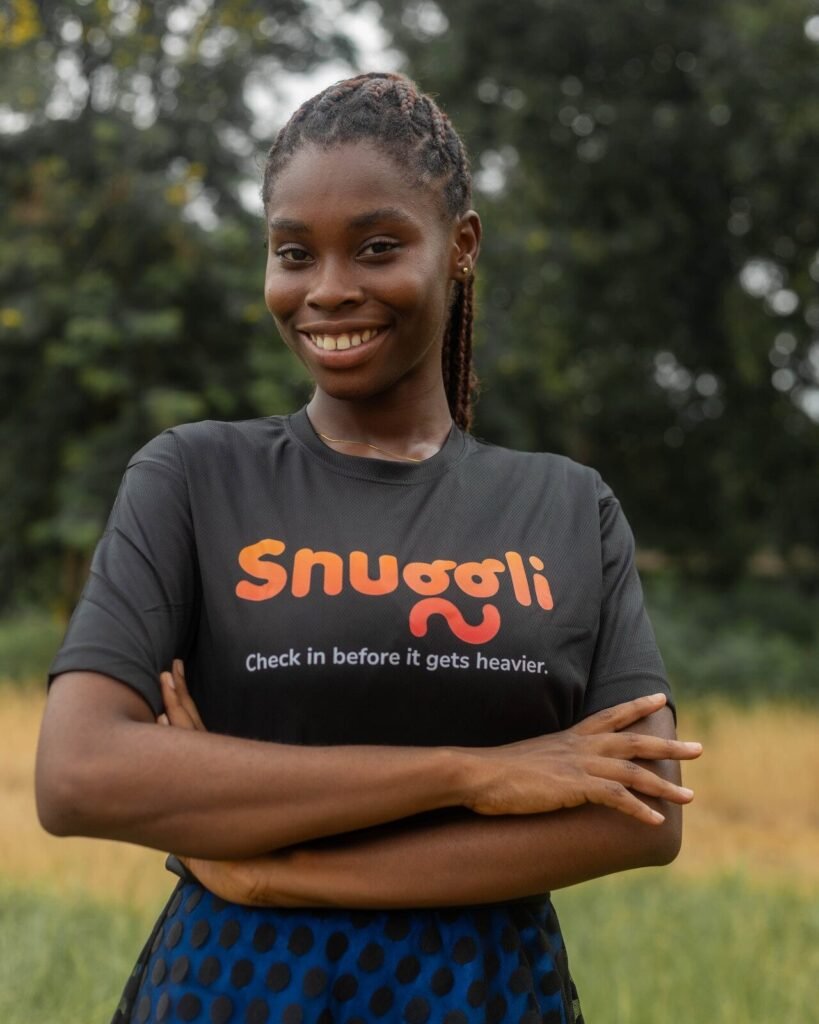
Snuggli is now live. Young people who want a private space to reflect, journal, track their mood and understand themselves better can download it directly from the App Store or Google Play, or visit snuggli.us to get started. Start with one honest check-in.
If you or someone you know is in crisis, please reach out to a trusted health worker, counsellor, or your nearest health facility. You do not have to carry it alone.
Written by: Kwame Owusu Ansah | Founder, Snuggli Health | Tech writer