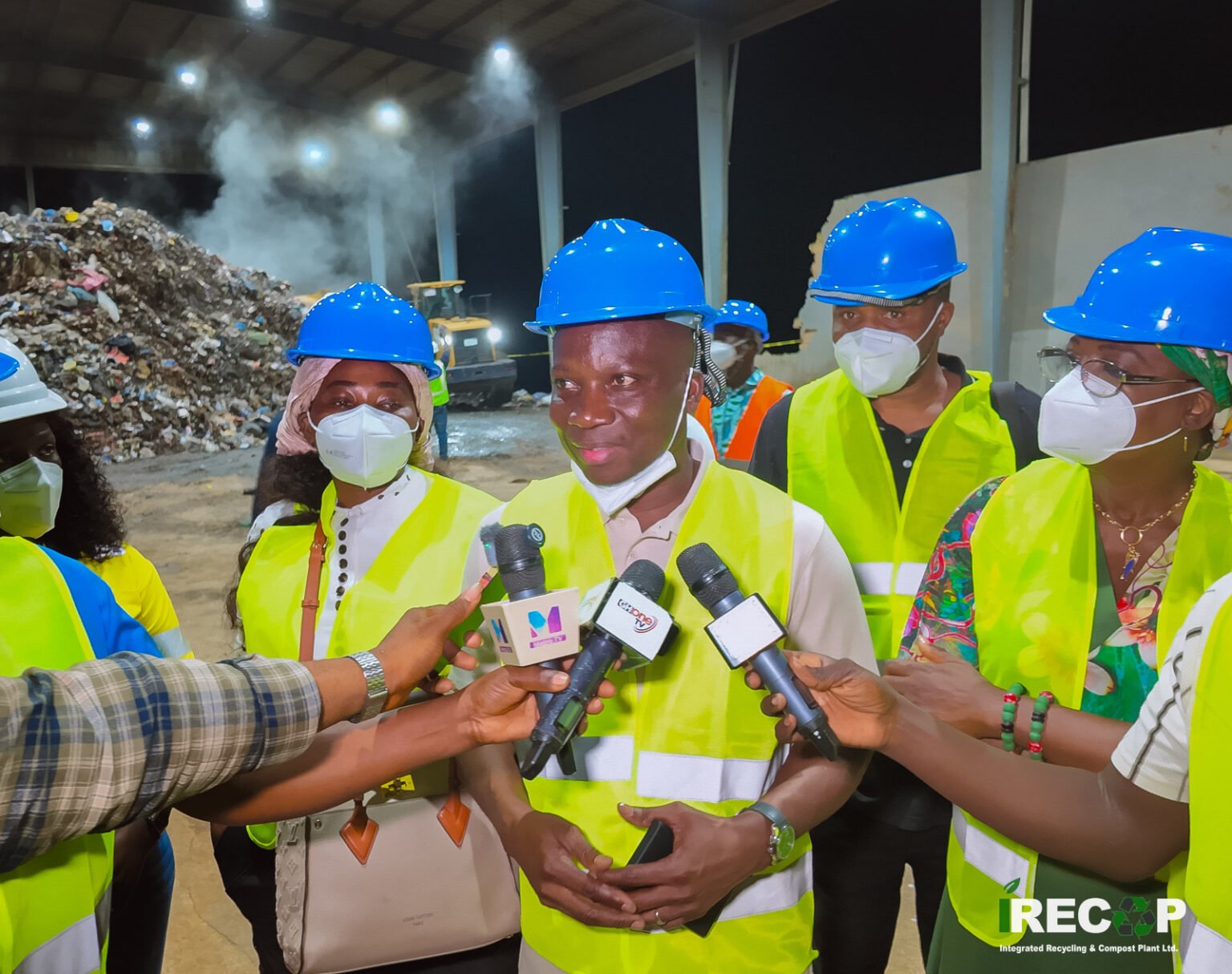
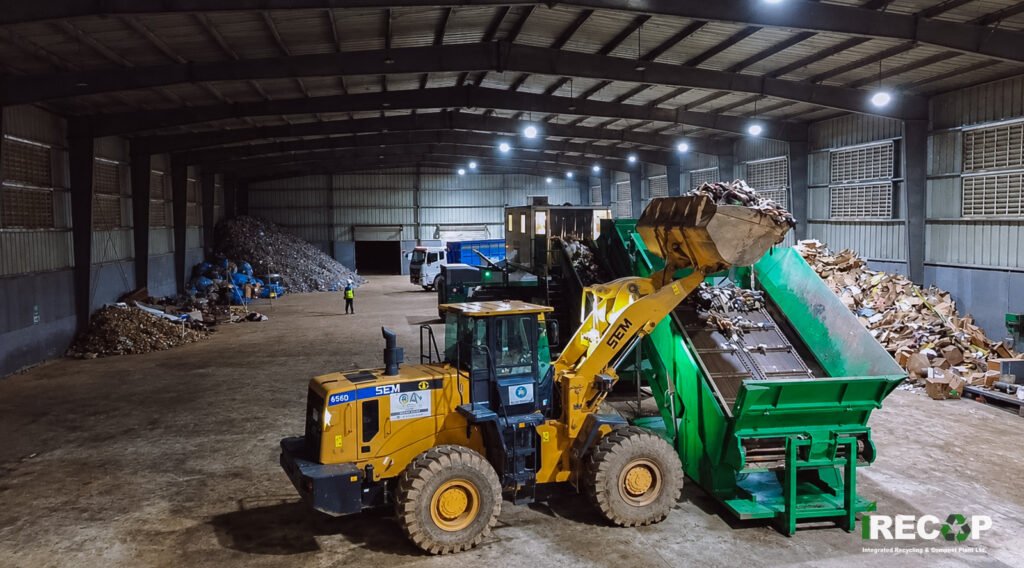
The Parliamentary Select Committee on Sanitation and Water Resources has expressed satisfaction with the progress of work on Zoomlion Ghana Limited’s Integrated Recycling and Compost Plant (IRECOP) at Yabram in Dambai, Oti Region.
Chairman of the Committee, Hon. John Oti Bless, said the level of development at the facility was encouraging and called on the government and other stakeholders to support such initiatives as part of efforts to achieve a cleaner Ghana.
“Government and the various stakeholders must come on board and support this special initiative. Our target is to have a clean Ghana,” he said.
Hon. Oti Bless spoke to the media after the Committee’s three-day engagement with Metropolitan, Municipal and District Assemblies (MMDAs) in the Volta and Oti Regions from Thursday, September 17 to Saturday, September 19, 2026.
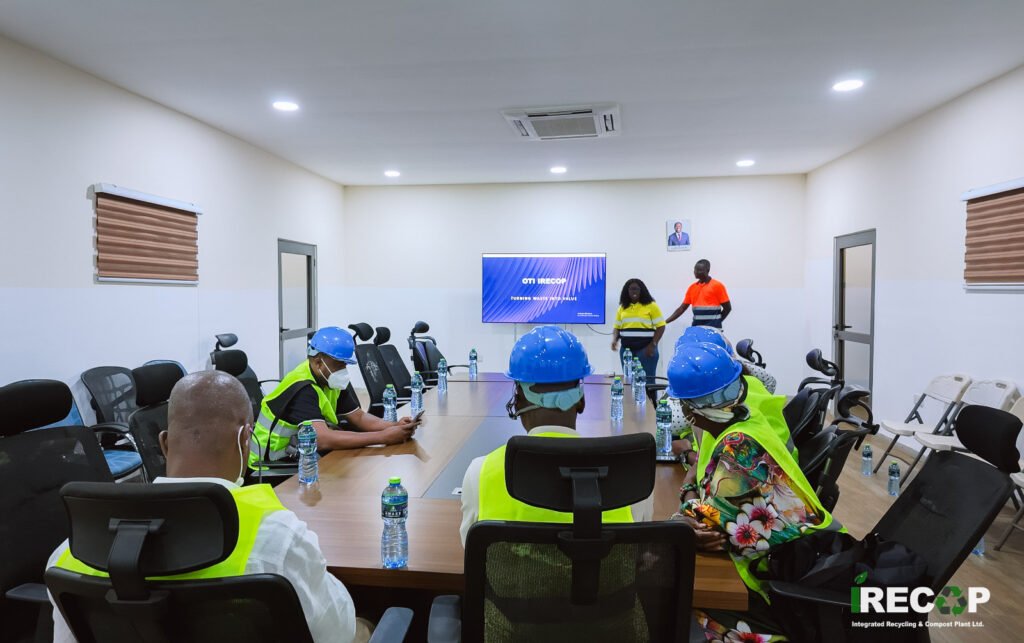
Although the IRECOP facility is about three years old, some aspects of its development, including portions of the fencing, are still being completed.
Committee calls for stronger enforcement
Hon. Oti Bless identified indiscipline, particularly indiscriminate disposal of waste, as one of Ghana’s major sanitation challenges.
He cited Rwanda as an example of a country that has made significant progress in sanitation through the enforcement of clear rules and regulations and greater public compliance.
“The Assemblies must begin to put bye-laws in place and implement and enforce them. That is the only way we can get out of this mess,” he stressed.
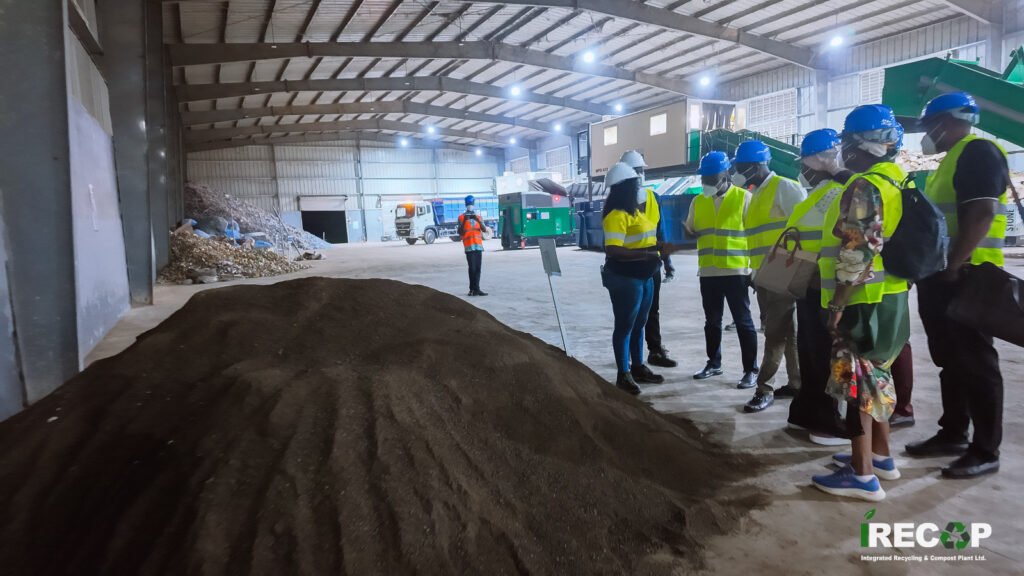
He also commended private waste management service providers for their contribution to improving sanitation in Ghana, singling out Zoomlion Ghana as one of the major service providers supporting sanitation efforts across the country.
The Committee Chairman further called for a shift from simply disposing of waste to recycling, urging stronger collaboration between the government, investors and major sanitation service providers to expand recycling and other sustainable waste management initiatives.
Volta Region commended for sanitation
Hon. Oti Bless said the Committee was particularly impressed with the sanitation situation observed in the Volta Region, describing it as one of the cleanest regions visited during its monitoring exercise.
“We are impressed with the state of sanitation in the Volta Region. It is the cleanest region. There is no doubt about that,” he said.
He said the Committee’s monitoring exercise would continue, with the Bono, Bono East, Ahafo, Ashanti and Eastern Regions expected to be visited next, followed by other regions.
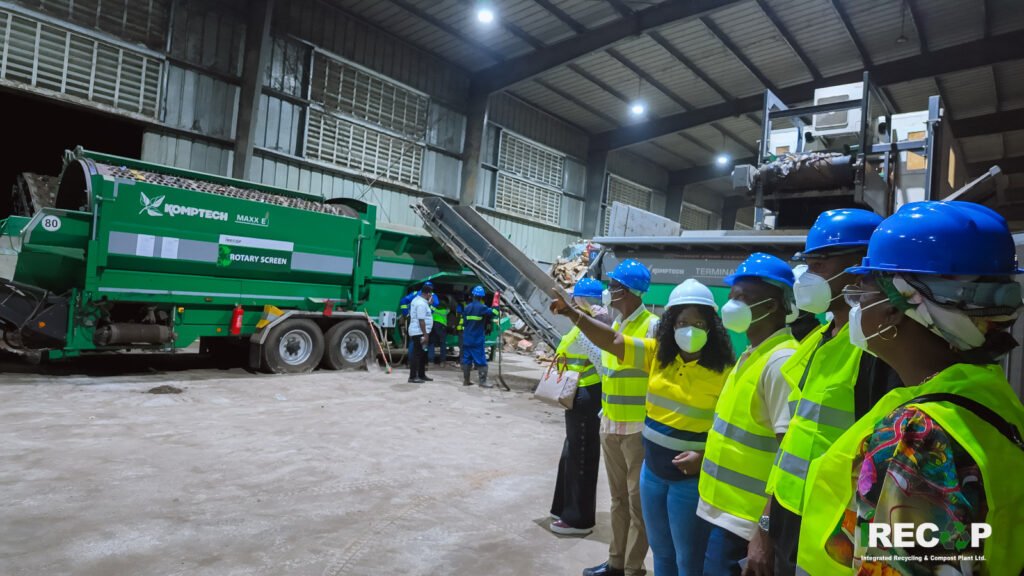
He also encouraged media organisations to use their platforms to educate the public on proper sanitation practices and the importance of maintaining clean communities.
According to him, indiscriminate waste disposal could eventually have negative consequences for the people themselves, making public education and behavioural change critical to improving sanitation.
MMDAs raise concerns over sanitation funding
Earlier, on Friday, September 18, the Committee engaged MMDAs in the Volta and Oti Regions in Ho on the utilisation of the 10% sanitation allocation under the District Assemblies Common Fund (DACF), as well as challenges confronting the assemblies.
The engagement revealed that although the allocation was supporting sanitation activities, it was insufficient to meet the sanitation needs of the MMDAs in both regions.
District Chief Executive for North Tongu, Victoria Amefadzi Doe Yawa, said the lack of skip containers was undermining effective waste collection in the district, attributing the challenge to inadequate funding from the 10% allocation.
The engagement also revealed concerns over the remuneration of sanitation workers recruited by some districts.
In North Tongu, Mrs Doe Yawa disclosed that sweepers were paid between GH¢300 and GH¢350 per month.
Hon. Oti Bless described the amount as inadequate and urged the assemblies to properly motivate sanitation workers to encourage them to perform their duties effectively.
Meanwhile, representatives from Central Tongu, Afadzato South, Akatsi North, Ketu North and Adaklu identified the lack of engineered landfill sites and permanent refuse disposal facilities as major challenges.
The representative of the Central Tongu DCE, Caroline Sefanu Dogbornu, who represented DCE Dodzi Addison Mornyuie, said the absence of a permanent disposal site was hampering the district’s efforts to improve sanitation.