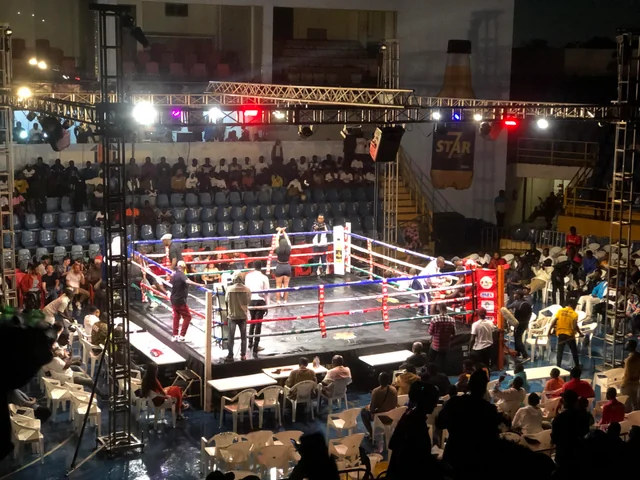
The tragic death of Nigerian light heavyweight boxer Gabriel Aluwasegun Olanrewaju, popularly known as “Success,” during an international bout at the Bukom Boxing Arena on Saturday, March 29, has cast a long shadow over Ghana’s boxing landscape. The 40-year-old fighter collapsed in the third round of his scheduled eight-round contest against Ghanaian opponent Jonathan Mbanugu during Match Night 15 of the Bel 7Star Ghana Professional Boxing League. He was later pronounced dead. A subsequent pathology report revealed the cause of death as cardiac arrest.
A Wake-Up Call for the Sport
In an article published on April 4, I analysed the tragedy as a wake-up call for Ghana’s boxing fraternity and broader sports governance institutions. The piece addressed how a lack of adherence to internationally recognised medical protocols may have contributed to the unfortunate incident—a scenario that underscores the need for urgent reforms in Ghana’s boxing ecosystem.
Globally, boxing is governed by strict ethical and medical standards designed to safeguard fighters before, during, and after bouts. These are enforced by organisations such as the World Boxing Council (WBC), World Boxing Association (WBA), International Boxing Federation (IBF), World Boxing Organisation (WBO), and various national boxing commissions. Unfortunately, Ghana’s systems have too often failed to mirror these standards.
What Standard Practice Looks Like
Medical evaluation protocols in professional boxing follow a three-phase model:
- Pre-Contract Medical Evaluations: Conducted before any bout is confirmed. If a boxer fails at this stage, the fight contract is not signed.
- Training Camp & Pre-Fight Medicals: Ongoing assessments during training, including cardiovascular screening, bloodwork, neurological tests, and more.
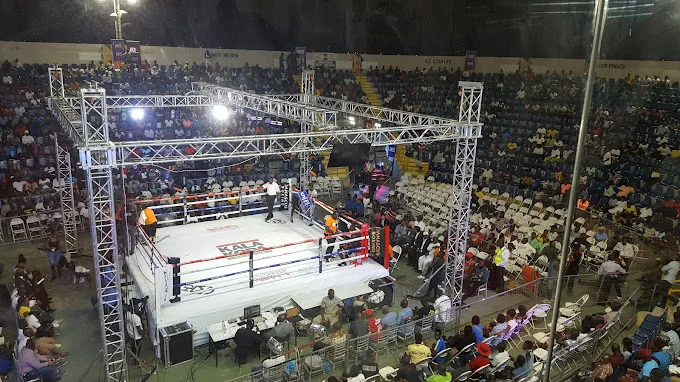
- Fight Week & Fight Night Protocols: Final checks during fight week, including weight and hydration assessments, and heart and brain evaluations. On fight night, medical personnel must be present ringside, equipped to respond to emergencies, including a thorough examination of a boxer who has suffered a severe knockout.
If a boxer fails any stage of this rigorous process, they are withdrawn from the card—or in high-profile events, the entire bout may be postponed.
The Road Ahead
Gabriel Olanrewaju’s passing must be more than a moment of mourning; it must be a turning point. Ghana must now commit to a systemic overhaul of its boxing safety protocols. This includes mandatory compliance with international medical standards, improved pre-fight screening, and licensing only those facilities and promoters that can guarantee the health and safety of fighters.
One tragedy is one too many. The question now is whether stakeholders—regulators, promoters, trainers, and health professionals—are ready to act before history repeats itself.
Rethinking Medical Protocols in Ghanaian Boxing
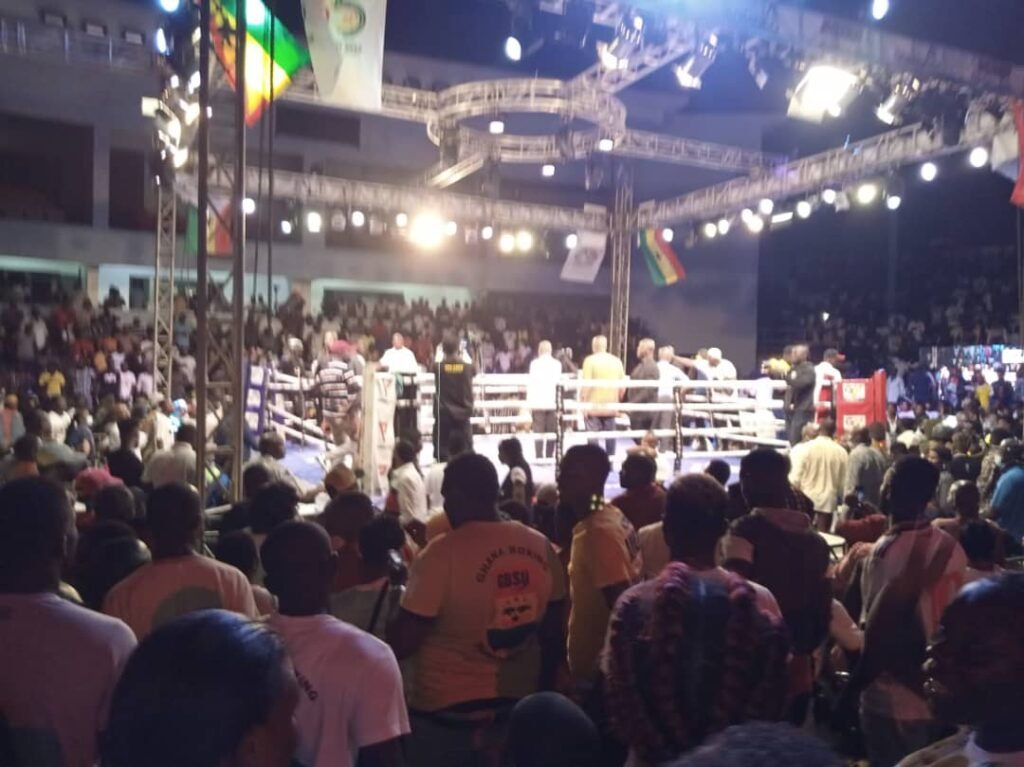
Following a thorough analysis of prevailing conditions in Ghana and across Africa, this article calls for urgent and uncompromising adherence to medical and safety standards in boxing. The tragic death of Nigerian boxer Gabriel Olanrewaju on March 29 is a sobering reminder of boxing’s inherent dangers, where head trauma, physical exhaustion, and undetected health conditions can lead to fatal outcomes.
Though cardiac arrest was identified as the cause of death, the incident underscores a deeper issue: inconsistencies and gaps in pre-fight medical protocols. In Ghana and much of Africa, fighters are often not subjected to comprehensive health assessments. Routine procedures—such as neurological and cardiovascular evaluations, physical fitness checks, and drug testing—are inconsistently applied or altogether absent.
Call to Action
This tragedy must be a catalyst for change. Government agencies, the Ghana Boxing Authority (GBA), promoters, trainers, and medical professionals must elevate their commitment to fighter safety. Boxers should not be allowed to step into the ring without the highest level of medical clearance.
Key recommendations for reform include:
- Specialised training of sports doctors, particularly in combat sports medicine
- Establishment of a dedicated Sports Medicine Unit within the GBA or Ministry of Youth and Sports
- Mandatory advanced medical screening before a fight contract is approved
- Enhanced ringside medical readiness, with fully equipped personnel and ambulances
- Tighter regulation of matchmaking to ensure fairness and physical parity
A Prompt and Positive Response
Remarkably, just a day after this call to action gained national traction, the GBA issued a directive titled “Submission of Fight Contracts Two Weeks Ahead of Fight Nights.” The directive mandates that all bout contracts and match pairings be submitted well in advance, clearly signalling that the era of business-as-usual is over. The message was direct: Ghana’s boxing landscape must change, and the GBA is ready to lead that charge.
If the right lessons are taken from this tragedy, Gabriel Olanrewaju’s untimely death may not be in vain—it could be the catalyst that finally compels the industry to prioritise fighter safety over spectacle.
From Tragedy to Transformation: GBA Acts After Boxing Death
While the GBA’s initial directive may have lacked the technical depth expected from a professional regulatory body, it nonetheless signalled a critical shift in attitude. As the adage goes, “A journey of a thousand miles begins with a single step”—even a late start is better than no action at all.
Killing Two Birds with One Stone
The GBA’s first circular, issued after the March 29 tragedy, did more than demand adherence to medical standards. It also tackled a long-standing problem in Ghanaian boxing: the last-minute inclusion of unvetted fighters. In a firm tone, the GBA declared that “no fights will be allowed to be added to the already submitted fight pairings on the day of weigh-in and medical check-ups.” Only bout contracts submitted within the stipulated deadline will be permitted. Though long overdue, this is a welcome step toward restoring professionalism in match preparations.
Action No. 2: “We Mean Business”
Ten days later, the GBA followed up with a more detailed circular. This time, it outlined a checklist of compliance requirements for promoters and stakeholders before any fight night can be approved:
- License copies of all scheduled boxers
- Full payment of official GBA fees
- Verifiable medical reports, including a signed “fit to box” certificate
- Proof of purse payments for each boxer
In a progressive move to strengthen ringside safety, the GBA also announced mandatory ECG screenings on weigh-in day, with promoters covering the ¢600.00 cost per boxer.
A Glimmer of Reform
These actions—though reactive—show a renewed commitment by the GBA to prioritise boxer safety and regulatory compliance. They are a response not just to the death of Gabriel Olanrewaju, but also to years of lax oversight. While the road ahead remains long, these early steps offer a glimmer of hope that meaningful, enforceable reform is now within reach.
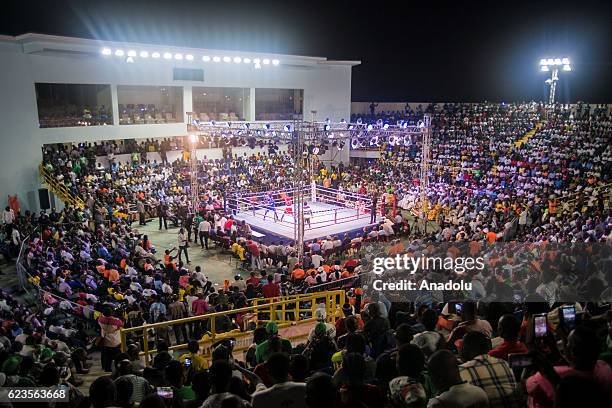
(Photo by Jordi Perdig/Anadolu Agency/Getty Images)
GBA Releases Comprehensive Medical Protocols Ahead of Fight Nights
In a decisive move to raise medical standards in Ghanaian boxing, the GBA has released a detailed circular titled “Mandatory Pre-Fight Medical Examinations and Timeline for Upcoming Sanctioned Bouts.” Issued six days after its earlier reforms, the directive outlines clear screening protocols and timelines that must be met before any bout is sanctioned.
Signed by Dr. Eric Tetteh Ayertey, the designated GBA Medical Doctor, the two-and-a-half-page document reaffirms the GBA’s “unwavering commitment to upholding the highest standards of health and safety for all athletes.” It also outlines cost implications and warns that non-compliance will lead to disqualification or removal from fight cards.
Comprehensive Medical Screening Protocols
1. Annual/Baseline Medical Clearance (At least 7 days before the bout)
| Test | Estimated Cost (¢) | Validity |
|---|---|---|
| Ophthalmologic (Retinal) Examination | 250.00 | 3–6 months |
| Brain Imaging (CT/MRI) | 500.00–1,000.00 | 1–3 years |
| Urinalysis | 123.00 | 1–3 months |
| Pregnancy Test (Females only) | 30.00–50.00 | 7 days before the bout |
| Medical Certificate | 100.00 | Current competitive year |
| Total Estimated Cost: ¢1,003.00+ |
2. Mandatory Pre-Bout Physical Medical (24–36 hours before the fight)
| Test | Estimated Cost (¢) | Timing/Validity |
|---|---|---|
| ECG (12-lead resting) | 200.00 | 3 months |
| Full Blood Count (FBC) | 123.00 | 7–10 days before fight |
| Hepatitis B/C, HIV Test | 313.00 | 3 months |
| Vitals (BP, HR, Temp, Weight) | 20.00 | 24 hours before fight |
| Neurological & Physical Exam | 80.00 | 24 hours before fight |
| ENT & General Inspection | 140.00 | 24 hours before fight |
| Medical Certificate | 100.00 | On weigh-in day |
| Total Estimated Cost: ¢986.00 |
Execution and Enforcement
All medical tests must be conducted at GBA-accredited centres, specifically Accident & Emergency Labs and The Central Lab at Korle Bu Teaching Hospital. Final reports must be submitted to the GBA Medical Directorate no later than 48 hours before the bout. Failure to meet these deadlines will result in automatic disqualification.
This policy marks a historic shift in Ghanaian boxing. It affirms the GBA’s commitment to ensuring that every fighter steps into the ring with a clean bill of health, reducing the risk of future preventable tragedies.
The Price of Safety: Financial Implications of New Medical Standards
The cost of implementing these new medical protocols is significant—estimated at ¢2,589 (approximately USD 182) per boxer. While still short of global best practices, the figure has raised concern among the boxing community. In a sport already underfunded and lacking in sponsorship, these costs may limit participation and marginalise aspiring athletes.
The Financial Impact of Ghana Boxing Authority’s New Medical Directive
The unintended consequences have already begun to manifest. Two sanctioned fight nights in April were disrupted. The first was the Box Office Sports Promotion bill slated for Sunday, April 20. Just three days prior, it was postponed due to a minor injury to one of the headliners. In a notable departure from past practice—where such setbacks would often be concealed until post-fight analyses—the affected boxer urged promoter Alex Ntiamoah Boakye to reschedule. The fight has since been moved to May 10.
The second event, hosted by Nana’s Promotions on Friday, April 25, went ahead, but not without drama. Spectators endured a four-hour delay as the GBA board insisted on full compliance with the new protocols. According to ring announcer Mohammed Amin Lamptey, the Authority refused to compromise on thorough medical vetting. Of the six originally scheduled bouts, only five made it to the ring.
While reactions have varied, one thing is clear: Ghana must never again witness a preventable tragedy like the March 29 incident that took the life of Nigerian boxer Gabriel Olanrewaju, simply because critical protocols were overlooked. The GBA deserves credit for standing firm, but the responsibility must now be shared.
The government, particularly the Ministry of Youth and Sports, must act urgently to support this reform. This includes funding for medical screenings, specialist training in sports medicine, and infrastructure development to meet international safety standards.
Ghana boxing is at a crossroads. We can either invest in a safer, sustainable future—or continue to gamble with lives in the name of sport.
By Peter Quao Adattor