


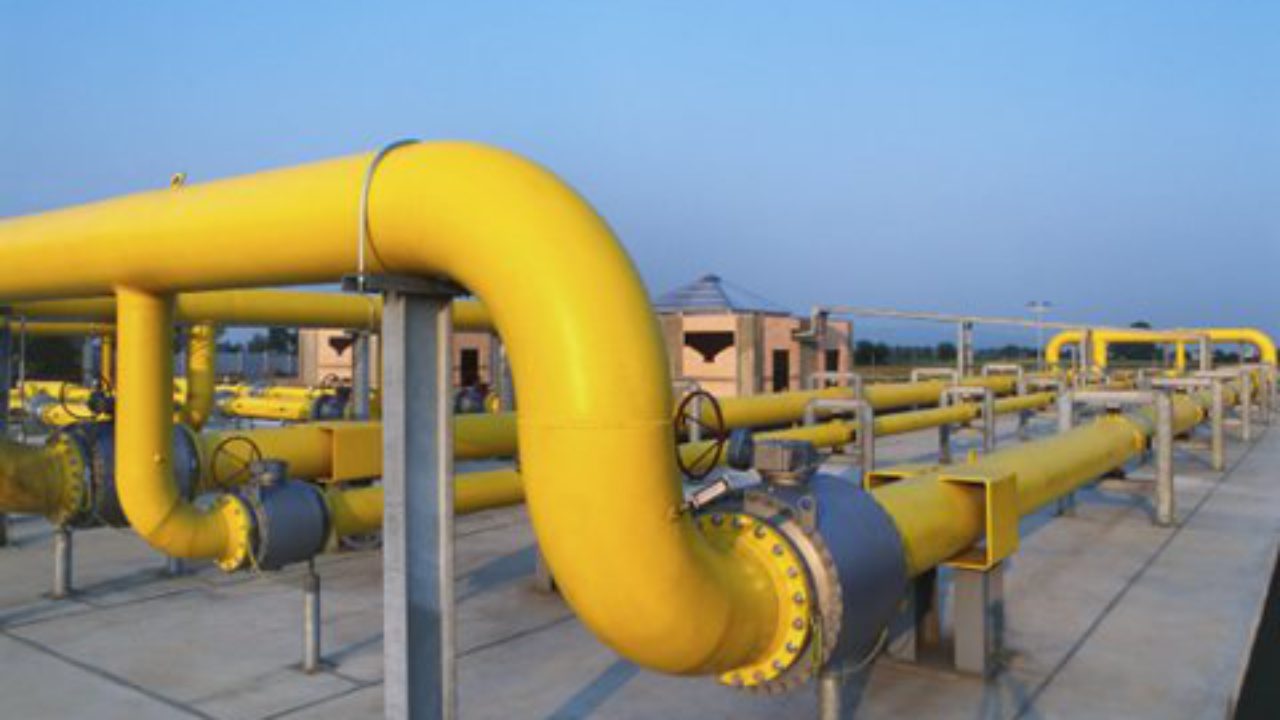
The West African Gas Pipeline Company (WAPCo) has agreed to postpone its scheduled pipeline maintenance by two weeks, offering temporary relief to Ghana’s energy sector, which is grappling with inadequate fuel supplies for thermal power plants.
Chief of Staff Julius Debrah established a committee to engage WAPCo on the issue, leading to the agreement. Burkett expressed cautious optimism about the deferral during the meeting but emphasized challenges with vendor commitments.
Michelle Burkett, Managing Director of WAPCo, confirmed the postponement during a meeting with government officials.
“Gently with our vendors right now we are still working to get commitment, but there is a possibility of a slight deferral. It won’t be the full month, but we’re looking at up to potentially two weeks deferral in the start of the operation,” Burkett said.
She added that while the deferral could shift the maintenance start date to February 3, a further delay beyond that would not be feasible due to existing contracts and ongoing vendor mobilization.
“We have a number of vendors that are already under contract and in mobilization as we speak,” Burkett explained, underscoring the logistical challenges of a longer postponement.
This decision comes after the Ghana Grid Company (GRIDCo) raised concerns about a potential power crisis due to insufficient fuel supplies for thermal plants. The planned WAPCo maintenance, coupled with the lack of fuel, would have significantly impacted the country’s ability to generate electricity.
To address the fuel shortage, GRIDCo estimates that Ghana needs nearly $90 million to procure liquid fuel, such as light crude oil, to operate thermal plants in Tema and meet the growing demand for electricity. The two-week deferral provides valuable time for the government to secure the necessary funding for liquid fuel purchases. It also allows them to explore alternative fuel options and implement load management measures as a last resort to stabilize the national grid if needed.
The energy crisis remains a pressing concern, with experts warning that disruptions in natural gas supply from WAPCo could severely impact electricity generation and distribution in Ghana.


